by Ella Okos, MD | 07.06.2026. | Herbal remedies, insulin resistance, Supplements
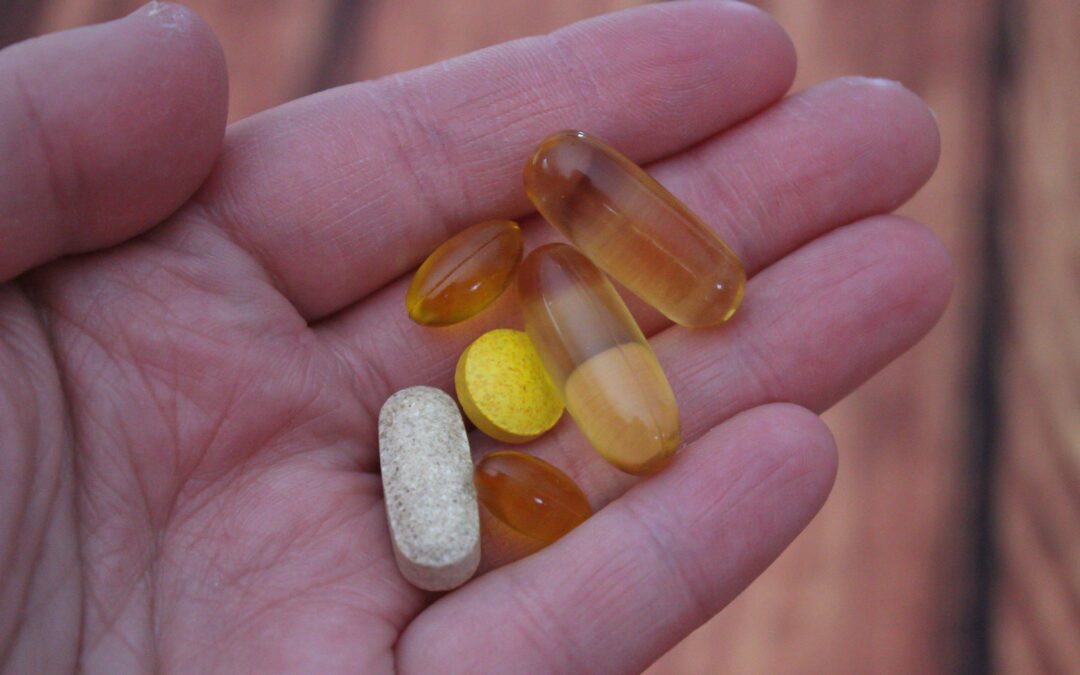
Insulin resistance is one of the most common metabolic changes of menopause. This complete guide covers the best insulin resistance menopause supplements — including berberine, myo-inositol, chromium picolinate, and cinnamon — with full dosage, side effect, and drug interaction information.

by Ella Okos, MD | 07.06.2026. | Aromatherapy, Diet, Emotional wellbeing, essential oils, Heart Health, Herbal remedies, Hot Flashes, HRT, insulin resistance, Relieving symptoms, Sleep, Stages, Weight gain
Perimenopause can last up to 10 years and affects every aspect of your health. This comprehensive hub page brings together all the key areas of perimenopause support — from understanding your symptoms to natural supplements, sleep strategies, and heart health.
by Ella Okos, MD | 07.06.2026. | Aromatherapy, essential oils, Herbal remedies, insulin resistance, Relieving symptoms, Sleep, Supplements
Finding the right natural support for menopause can be overwhelming. This complete guide — curated by a doctor with 30 years of experience — brings together the best vitamins, minerals, herbal supplements, essential oils, and sleep aids for menopausal women.
by Ella Okos, MD | 26.12.2025. | Breathing exercises, insulin resistance, meditation, QiGong, Stress relief, yoga
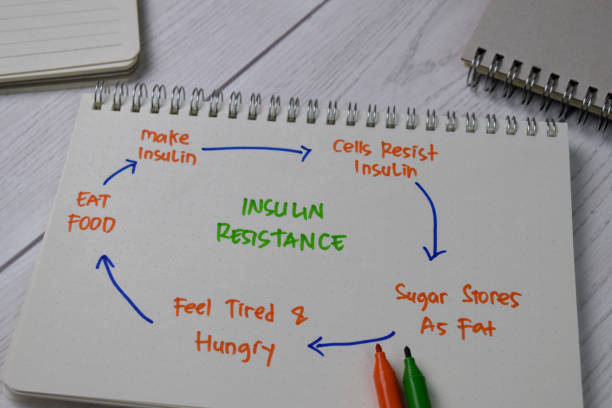
Chronic stress plays a powerful role in insulin resistance. When cortisol stays high, blood sugar rises and cells become less responsive to insulin. That’s why mind–body care isn’t optional—it’s essential.
In Part 4 of the Ultimate Natural Guide to Insulin Resistance, we explore how simple daily practices can calm the nervous system and support better metabolic health. You’ll learn why improving vagal tone helps regulate cortisol, digestion, sleep, and insulin sensitivity—all at once.
This guide introduces a realistic 15-minute daily minimum, proving you don’t need hours of meditation or intense exercise to see benefits. Instead, you can choose from three gentle tracks: breath and movement, mindfulness plus walking, or Tai Chi/Qi Gong. Each option is designed to fit different personalities and energy levels.
You’ll also discover why evening routines matter just as much as daytime habits. Consistent sleep schedules, dim lighting, screen breaks, and calming rituals help stabilize circadian rhythms and improve blood sugar overnight.
Mind–body care works best when combined with the tools covered in earlier parts of this series—nutrition, supplements, herbs, acupuncture, aromatherapy, and homeopathy. Together, they create a more balanced, resilient metabolic environment.
In the final part of this guide, we’ll show you how to put everything together into a sustainable, personalized plan.
by Ella Okos, MD | 22.11.2025. | Herbal remedies, insulin resistance, Relieving symptoms, Supplements
Discover the most effective natural herbs and supplements for insulin resistance — berberine, cinnamon, bitter melon, fenugreek, and more. This comprehensive guide covers dosages, side effects, and safety information for each supplement.
by Ella Okos, MD | 19.10.2025. | insulin resistance, Relieving symptoms, Symptoms
Insulin resistance is one of the most common yet overlooked health challenges women face during perimenopause and menopause. Hormonal changes, rising stress levels, poor sleep, and a slowing metabolism can all disrupt blood sugar balance — often leading to fatigue, stubborn weight gain, sugar cravings, and mood changes. In this article, we explore what insulin resistance really is, why it becomes more common in midlife women, and how simple, natural lifestyle changes can help restore metabolic balance. You’ll learn how movement, balanced nutrition, stress management, sleep, and holistic support options work together to improve insulin sensitivity and support long-term health during midlife and beyond.

