
by Ella Okos, MD | 07.06.2026. | Aromatherapy, Diet, Emotional wellbeing, essential oils, Heart Health, Herbal remedies, Hot Flashes, HRT, insulin resistance, Relieving symptoms, Sleep, Stages, Weight gain
Perimenopause can last up to 10 years and affects every aspect of your health. This comprehensive hub page brings together all the key areas of perimenopause support — from understanding your symptoms to natural supplements, sleep strategies, and heart health.
by Ella Okos, MD | 21.09.2025. | Relieving symptoms, Stages, Symptoms
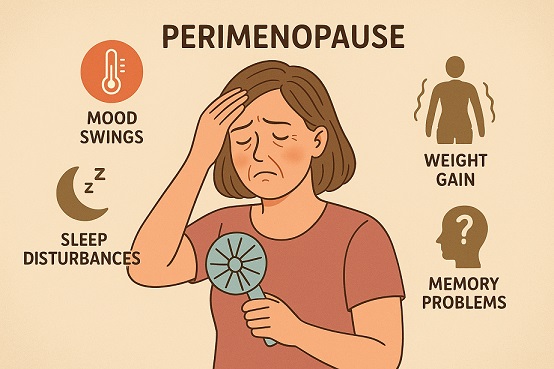
The early signs of menopause can begin years before periods stop completely. From sleep problems and hot flashes to mood changes and irregular cycles, perimenopause often brings unexpected symptoms. This guide explains the first symptoms of menopause, what’s normal, and what helps—so you can understand your body and feel supported during this transition.
by Ella Okos, MD | 13.07.2025. | Duration, Stages, Symptoms
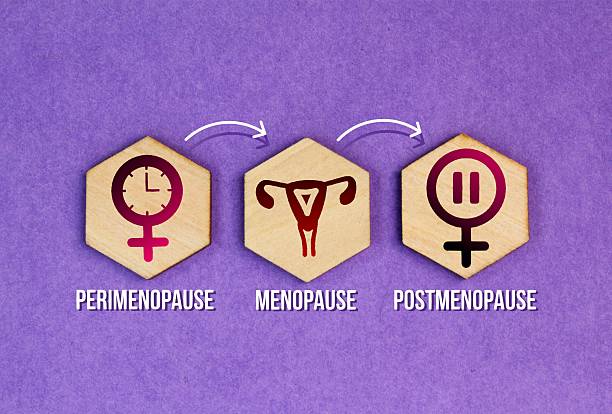
Every woman’s menopause journey is unique, but understanding the three stages — perimenopause, menopause, and postmenopause — can help you recognise what your body is going through and why. This guide explains the symptoms, timeline, and what to expect at each stage.

