by Ella Okos, MD | 07.06.2026. | Herbal remedies, Sleep, Supplements
Sleep disturbances affect up to 60% of menopausal women. This complete guide covers 11 natural sleep aids for menopause — including melatonin, L-theanine, GABA, passionflower, and lavender — with full dosage, side effect, and drug interaction information.
by Ella Okos, MD | 07.06.2026. | Herbal remedies, insulin resistance, Supplements
Insulin resistance is one of the most common metabolic changes of menopause. This complete guide covers the best insulin resistance menopause supplements — including berberine, myo-inositol, chromium picolinate, and cinnamon — with full dosage, side effect, and drug interaction information.

by Ella Okos, MD | 07.06.2026. | Aromatherapy, essential oils, Herbal remedies, insulin resistance, Relieving symptoms, Sleep, Supplements
Finding the right natural support for menopause can be overwhelming. This complete guide — curated by a doctor with 30 years of experience — brings together the best vitamins, minerals, herbal supplements, essential oils, and sleep aids for menopausal women.
by Ella Okos, MD | 07.06.2026. | Relieving symptoms, Supplements
Finding the right natural support for menopause can be overwhelming. This complete guide — curated by a doctor with 30 years of experience — brings together the best vitamins, minerals, herbal supplements, essential oils, and sleep aids for menopausal women.
by Ella Okos, MD | 22.11.2025. | Herbal remedies, insulin resistance, Relieving symptoms, Supplements
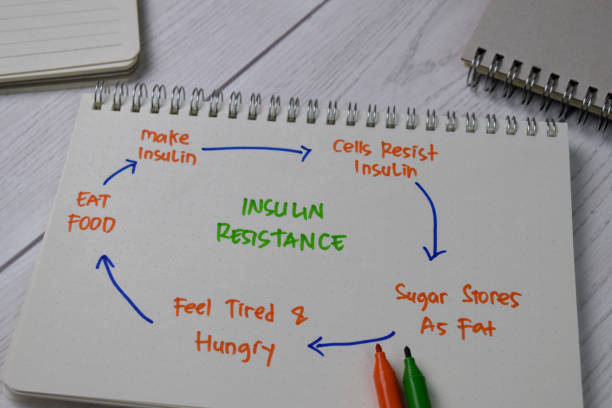
Discover the most effective natural herbs and supplements for insulin resistance — berberine, cinnamon, bitter melon, fenugreek, and more. This comprehensive guide covers dosages, side effects, and safety information for each supplement.
by Ella Okos, MD | 21.09.2025. | Heart issues, Supplements
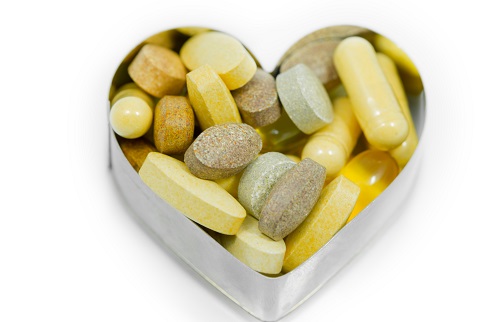
Menopause isn’t just about hot flashes or mood swings—it can take a toll on your heart too. As estrogen levels fall, women face higher risks of high cholesterol, rising blood pressure, and irregular heartbeat. Fatigue and low energy also become common, making the heart work harder.
The good news? Some natural supplements may help. Omega-3s, magnesium, and CoQ10 are among the most researched, supporting cholesterol balance, steady blood pressure, and improved energy. Others, like vitamin D, vitamin K2, and resveratrol, protect bones and blood vessels while easing menopause symptoms such as hot flashes or poor sleep.
Still, not every supplement is risk-free. For example, high doses of niacin can worsen hot flashes, and excess vitamin E may raise bleeding risk. That’s why it’s important to choose wisely, stick to safe dosages, and always consult your doctor before starting anything new.
By adding the right supplements to a healthy lifestyle—think nutritious food, regular exercise, and stress management—you can protect your heart, ease menopause discomfort, and feel more energized in daily life.

