
Welcome to my website
where you will find many useful articles on menopause
Imagine waking up at three in the morning, the blanket kicked to the floor, whilst wondering why your heart is racing and your monthly cycles have suddenly become unpredictable. You’ve likely spent hours searching for answers online, only to feel more anxious and overwhelmed by contradictory advice about menopause. I know this feeling well — as a 60+ woman with decades of medical experience behind me, I lived through this transition myself. That personal experience, combined with my medical background, is exactly why I created this space. You deserve a roadmap that treats this biological shift as a natural milestone rather than a medical failure, and that is exactly what you will find here. To find out more about me, click here.
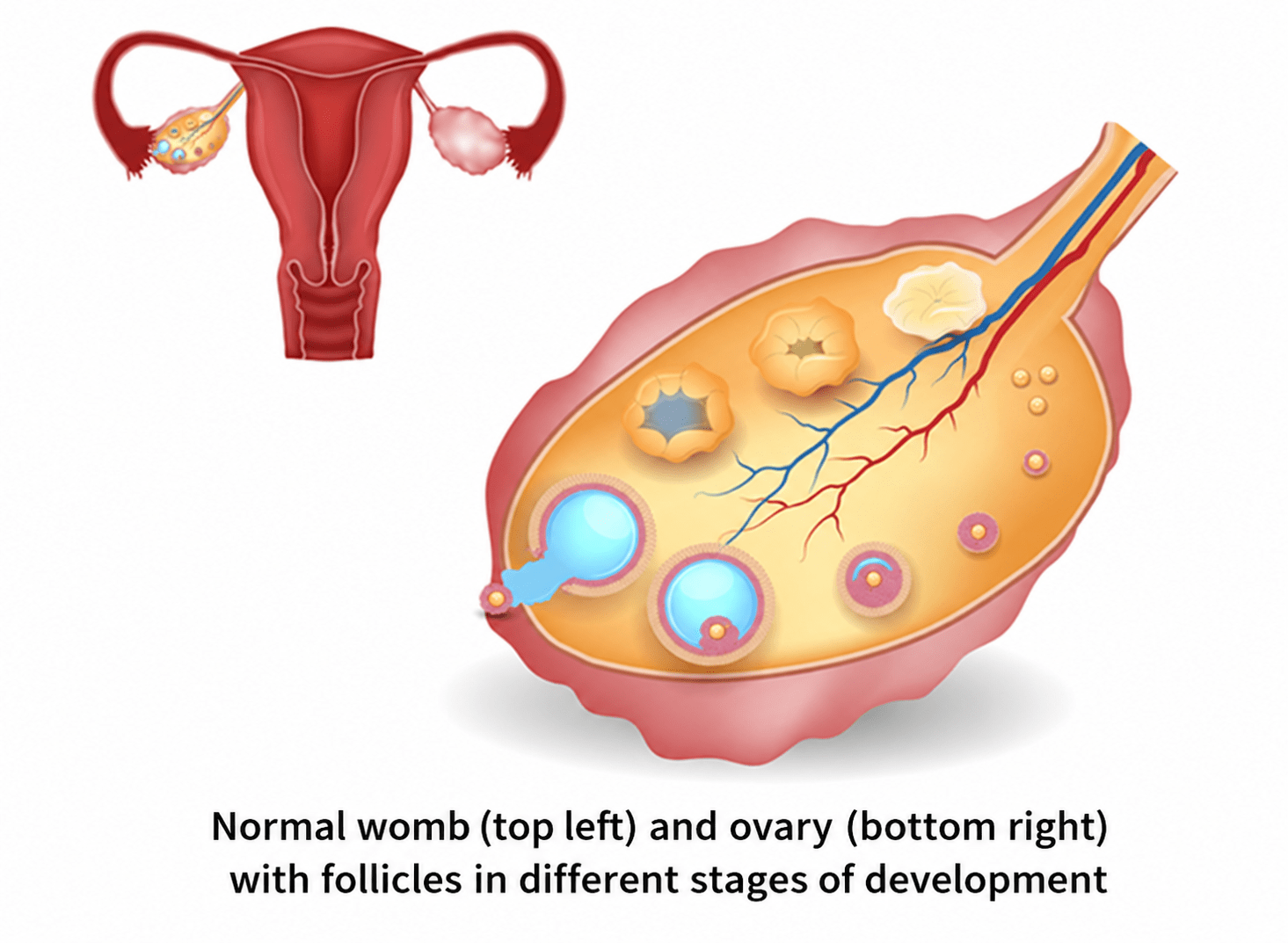
But what actually is menopause?
Menopause is not a disease. It is a natural biological transition that every woman experiences — yet no two journeys look exactly alike. Clinically, menopause is confirmed after 12 consecutive months without a period, and in Europe it typically occurs around the age of 51. But long before that final period arrives, your body begins to shift during a phase called perimenopause, which can start quietly in your early 40s and last for several years.
Stages in a woman’s life
We can describe a woman’s hormonal life in four stages:
- PRE-MENOPAUSE — the reproductive years with regular monthly periods
- PERIMENOPAUSE — the transition phase of hormonal fluctuations before the last period
- MENOPAUSE — the end of menstrual cycles, confirmed after 12 months without bleeding
- POSTMENOPAUSE — life from one year after the final period onwards
For a deeper understanding of what happens at each stage, read our complete guide to the three stages of the menopause journey.
Symptoms and signs of menopause
Every woman’s experience is unique, but some of the most common changes include:
- Hot flushes and night sweats
- Irregular or heavier periods
- Mood swings, anxiety, or low mood
- Sleep disturbances
- Brain fog and difficulty concentrating
- Joint stiffness and muscle aches
- Changes in skin, hair, and energy levels
- Vaginal dryness and urinary changes
- Weight gain, particularly around the abdomen
These symptoms can appear during perimenopause, intensify around menopause, and gradually ease in postmenopause — though the timeline varies greatly from woman to woman. If several of these sound familiar, you are in the right place.
It is important to know that menopause is not a disease but a natural life cycle. You cannot stop it from happening, but if you are equipped with the right knowledge, you can take action to lessen the impact of symptoms and optimise your journey.
Where would you like to start?
Whether you are just noticing the first subtle changes or are deep in the transition, these guides are a good place to begin:
My approach: evidence-based, natural, and tailored for European women
Everything you read here is written from a single perspective: yours. My recommendations are grounded in clinical evidence and shaped by over 30 years of medical experience — but they are also informed by lived experience, because I have been where you are now.
I believe that the most effective menopause support combines the best of modern science with the wisdom of natural medicine. You will not find contradictory advice here, nor will you be pushed towards unnecessary treatments. What you will find is honest, compassionate guidance designed to help you feel like yourself again.
Relief for symptoms of menopause
Menopause symptoms cannot be eliminated, but they can be significantly reduced. There are many approaches available, and the most effective plan is usually one that combines several of them:
- Conventional options — HRT, non-hormonal medication, and CBT all have an important role for many women
- Lifestyle changes — nutrition, regular exercise, stress management, and sleep hygiene
- Herbal and nutritional support — herbal supplements and phytoestrogens tailored to your symptoms
- Mind-body techniques — breathing exercises, meditation, yoga, and relaxation practices
- Complementary approaches — acupuncture, acupressure, homeopathy, and essential oils are among the tools many women find helpful in supporting their wellbeing during the transition
This site focuses primarily on natural and lifestyle-based approaches, but I will always point you towards conventional options where the evidence supports them. There is no single right answer — only the right answer for you. Explore our natural menopause relief recommendations to find evidence-based options that meet European safety standards.
It is important to stress that before starting any conventional or non-conventional “treatment”, it is always worth consulting your doctor to find the best solution for you.
Get in Touch
If there’s a particular topic you’re curious about, drop me a message and I’ll do my utmost to quench your thirst for knowledge.