
Natural Remedies for Menopause Anxiety and Depression: A Supportive Guide
Did you know that approximately 70% of women surveyed report that menopause symptoms directly impact their mood or mental health? If you’ve recently…

Did you know that approximately 70% of women surveyed report that menopause symptoms directly impact their mood or mental health? If you’ve recently…
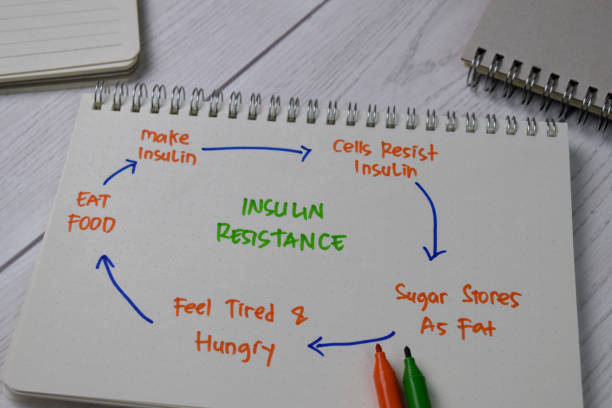
Insulin resistance is one of the most common yet overlooked health challenges women face during perimenopause and menopause. Hormonal changes, rising stress levels, poor sleep, and a slowing metabolism can all disrupt blood sugar balance — often leading to fatigue, stubborn weight gain, sugar cravings, and mood changes. In this article, we explore what insulin resistance really is, why it becomes more common in midlife women, and how simple, natural lifestyle changes can help restore metabolic balance. You’ll learn how movement, balanced nutrition, stress management, sleep, and holistic support options work together to improve insulin sensitivity and support long-term health during midlife and beyond.

Sleep problems are common during menopause, but they don’t have to define your nights. Learn why sleep is disrupted and discover gentle, evidence-based strategies and natural approaches that may help you rest better again.
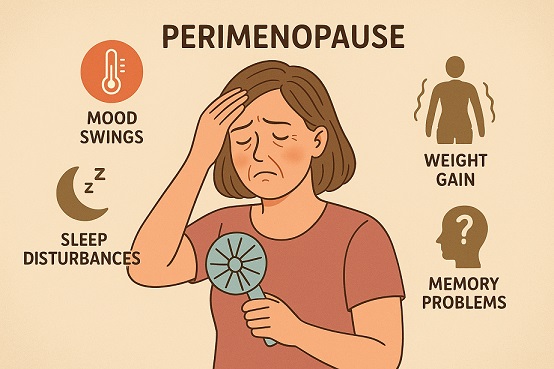
The early signs of menopause can begin years before periods stop completely. From sleep problems and hot flashes to mood changes and irregular cycles, perimenopause often brings unexpected symptoms. This guide explains the first symptoms of menopause, what’s normal, and what helps—so you can understand your body and feel supported during this transition.
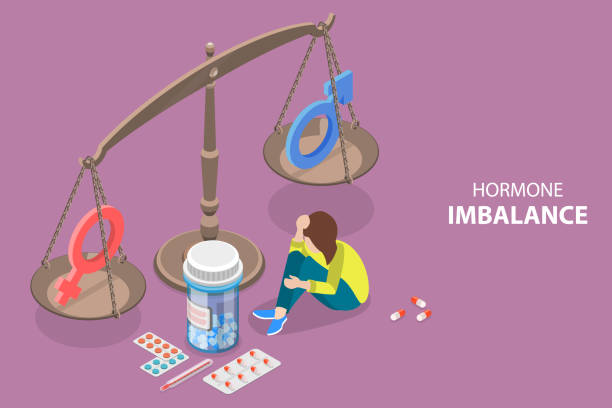
Perimenopause hormonal changes can make your body feel unpredictable, confusing, and emotionally challenging. One month everything feels stable, while the next brings poor sleep, mood swings, or sudden hot flashes. These shifts are not random — they are the result of fluctuating estrogen, progesterone, and other hormones during the transition toward menopause.
Perimenopause usually begins in the 40s, though it can start earlier, and may last several years. During this time, hormone levels do not decline evenly. Instead, they rise and fall unpredictably, affecting sleep, mood, energy, metabolism, and emotional resilience. Estrogen fluctuations can trigger hot flashes and mood changes, while declining progesterone often contributes to anxiety and sleep problems. Testosterone changes may influence libido, muscle tone, and weight distribution.
Hormonal signals from the brain, including FSH and LH, also shift during perimenopause, further adding to cycle irregularity and temperature regulation issues. At the same time, adrenal and thyroid hormones can influence how strongly stress, fatigue, and weight changes are felt.
Understanding what is happening inside your body can be deeply reassuring. Perimenopause is not a failure or a problem to fix. It is a natural transition that benefits from support, balance, and compassion. With the right lifestyle foundations and knowledge, this hormonal phase becomes far more manageable.
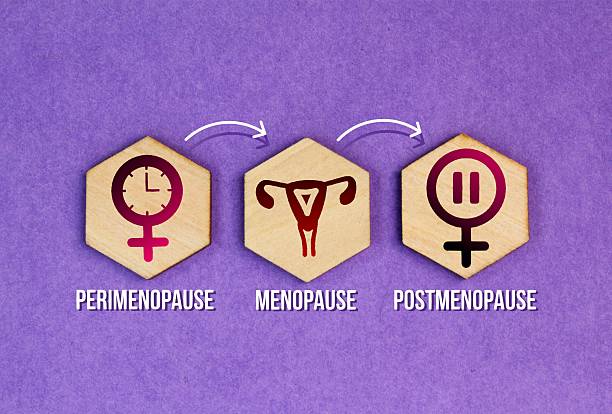
Every woman’s menopause journey is unique, but understanding the three stages — perimenopause, menopause, and postmenopause — can help you recognise what your body is going through and why. This guide explains the symptoms, timeline, and what to expect at each stage.
