
by Ella Okos, MD | 07.06.2026. | Aromatherapy, Diet, Emotional wellbeing, essential oils, Heart Health, Herbal remedies, Hot Flashes, HRT, insulin resistance, Relieving symptoms, Sleep, Stages, Weight gain
Perimenopause can last up to 10 years and affects every aspect of your health. This comprehensive hub page brings together all the key areas of perimenopause support — from understanding your symptoms to natural supplements, sleep strategies, and heart health.
by Ella Okos, MD | 07.06.2026. | Aromatherapy, essential oils, Herbal remedies, insulin resistance, Relieving symptoms, Sleep, Supplements
Finding the right natural support for menopause can be overwhelming. This complete guide — curated by a doctor with 30 years of experience — brings together the best vitamins, minerals, herbal supplements, essential oils, and sleep aids for menopausal women.
by Ella Okos, MD | 07.06.2026. | Relieving symptoms, Supplements
Finding the right natural support for menopause can be overwhelming. This complete guide — curated by a doctor with 30 years of experience — brings together the best vitamins, minerals, herbal supplements, essential oils, and sleep aids for menopausal women.
by Ella Okos, MD | 22.11.2025. | Acupressure/acupuncture, Aromatherapy, Homeopathy, Relieving symptoms
Acupuncture/acupressure, and aromatherapy offer gentle and effective ways to support insulin resistance—especially when paired with healthy nutrition, movement, supplements, and better sleep. In Part 2 of our Ultimate Natural Guide to Insulin Resistance, we explore how these therapies help calm stress, reduce cravings, and create a more balanced metabolic environment.
Stress, fatigue, poor sleep, and cravings all place pressure on insulin sensitivity. That’s where acupuncture and acupressure come in. These practices may help modulate the nervous system, reduce cortisol, improve digestion, and enhance glucose uptake in muscle cells. With consistent sessions—typically once weekly for 6–8 weeks—many people notice improved energy, better digestion, and a sense of calm that supports healthier blood sugar patterns. We also highlight the most commonly used acupressure points for at-home care, including ST36 for energy and digestion, SP6 for hormonal balance, LV3 for stress, LI11 for inflammation, CV12 for sugar handling, PC6 for cravings, and the well-known ear point Shen Men, often used for relaxation, cravings, and emotional balance.
Aromatherapy adds another layer of support by engaging the limbic system, the emotional and stress-regulation center of the brain. Essential oils like lavender, bergamot, sweet orange, peppermint, and grapefruit help shift mood, improve sleep quality, and ease the emotional drivers of cravings. You’ll also find simple blends for calming evenings, resetting afternoon cravings, and winding down after dinner, along with dilution guidelines to ensure safe use.
As always, this guide is for educational purposes, and discussing natural therapies with your clinician remains essential—especially when taking antidiabetic medication, anticoagulants, SSRIs, or antibiotics.
by Ella Okos, MD | 22.11.2025. | Herbal remedies, insulin resistance, Relieving symptoms, Supplements
Discover the most effective natural herbs and supplements for insulin resistance — berberine, cinnamon, bitter melon, fenugreek, and more. This comprehensive guide covers dosages, side effects, and safety information for each supplement.
by Ella Okos, MD | 19.10.2025. | insulin resistance, Relieving symptoms, Symptoms
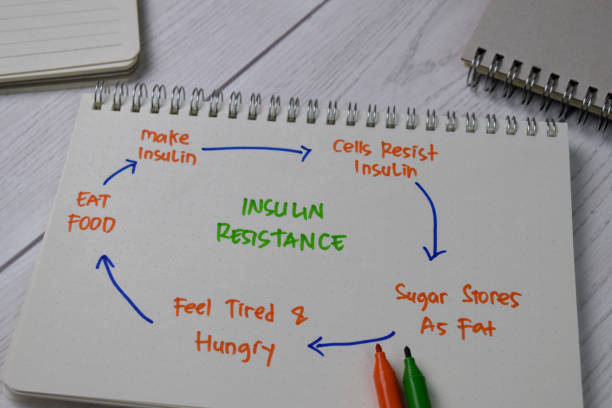
Insulin resistance is one of the most common yet overlooked health challenges women face during perimenopause and menopause. Hormonal changes, rising stress levels, poor sleep, and a slowing metabolism can all disrupt blood sugar balance — often leading to fatigue, stubborn weight gain, sugar cravings, and mood changes. In this article, we explore what insulin resistance really is, why it becomes more common in midlife women, and how simple, natural lifestyle changes can help restore metabolic balance. You’ll learn how movement, balanced nutrition, stress management, sleep, and holistic support options work together to improve insulin sensitivity and support long-term health during midlife and beyond.

