
by Ella Okos, MD | 07.06.2026. | Aromatherapy, Diet, Emotional wellbeing, essential oils, Heart Health, Herbal remedies, Hot Flashes, HRT, insulin resistance, Relieving symptoms, Sleep, Stages, Weight gain
Perimenopause can last up to 10 years and affects every aspect of your health. This comprehensive hub page brings together all the key areas of perimenopause support — from understanding your symptoms to natural supplements, sleep strategies, and heart health.
by Ella Okos, MD | 03.08.2025. | HRT
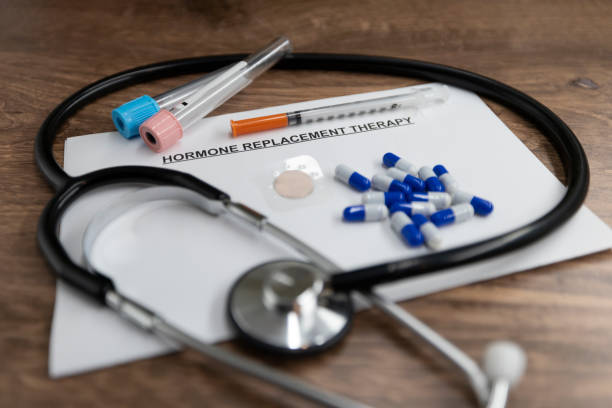
Hormone Replacement Therapy (HRT) is widely used to relieve menopausal symptoms like hot flashes and mood swings. Scientifically, it is proven to improve quality of life, prevent bone loss, and, when started early, may protect heart health. However, long-term use carries risks, including increased chances of stroke, blood clots, and certain cancers.
The public’s view on HRT is often shaped by personal experiences and media coverage. Many women feel better after starting HRT, reporting increased energy and mental clarity. However, fears about cancer, particularly breast cancer, are common. Some also feel that menopause should be managed without medication, preferring natural remedies or lifestyle changes.
Ultimately, deciding whether to use HRT depends on balancing its benefits and risks, and considering both scientific evidence and personal preferences.
by Ella Okos, MD | 03.08.2025. | HRT, therapy
As women reach menopause, levels of hormones like estrogen and progesterone (and sometimes testosterone) naturally drop. This can cause symptoms such as hot flashes, night sweats, mood swings, vaginal dryness, sleep problems, osteoporosis. HRT helps to balance these hormone levels, easing symptoms and reducing certain health risks.

