MY BLOG
You can find here many useful posts on menopause
Menopause Sleep Problems: Why You Wake Up at Night and What May Help
Sleep problems are common during menopause, but they don’t have to define your nights. Learn why sleep is disrupted and discover gentle, evidence-based strategies and natural approaches that may help you rest better again.
Heart Supplements During Menopause: Your Guide to Natural Heart Support
Menopause isn’t just about hot flashes or mood swings—it can take a toll on your heart too. As estrogen levels fall, women face higher risks of high cholesterol, rising blood pressure, and irregular heartbeat. Fatigue and low energy also become common, making the heart work harder.
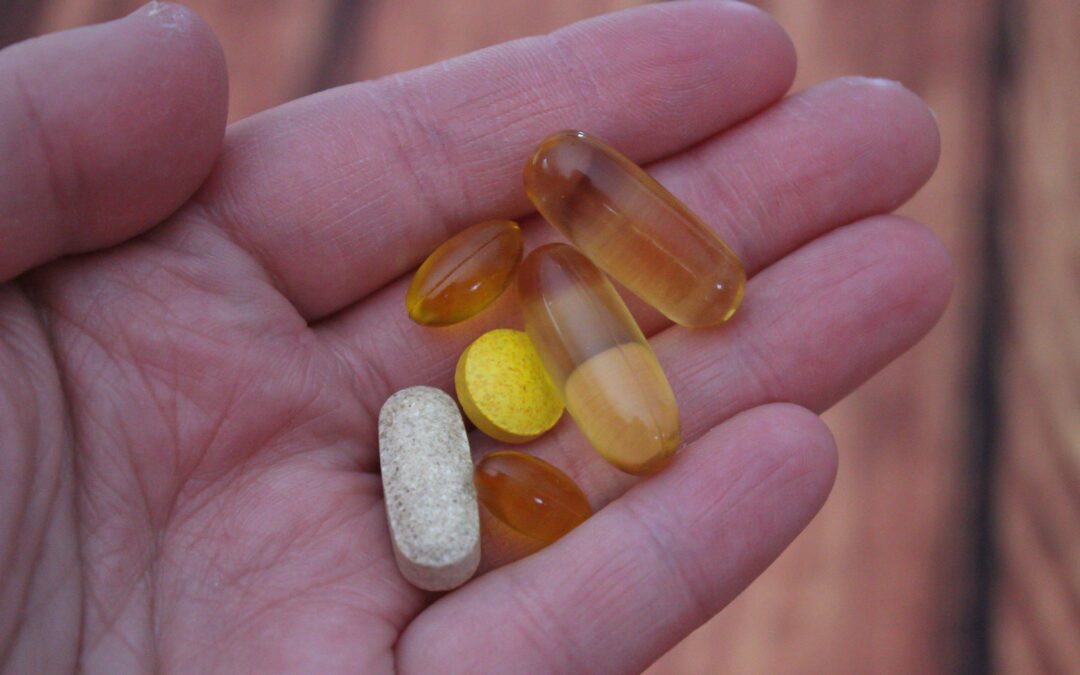
The good news? Some natural supplements may help. Omega-3s, magnesium, and CoQ10 are among the most researched, supporting cholesterol balance, steady blood pressure, and improved energy. Others, like vitamin D, vitamin K2, and resveratrol, protect bones and blood vessels while easing menopause symptoms such as hot flashes or poor sleep.
Still, not every supplement is risk-free. For example, high doses of niacin can worsen hot flashes, and excess vitamin E may raise bleeding risk. That’s why it’s important to choose wisely, stick to safe dosages, and always consult your doctor before starting anything new.
By adding the right supplements to a healthy lifestyle—think nutritious food, regular exercise, and stress management—you can protect your heart, ease menopause discomfort, and feel more energized in daily life.
Early Signs of Menopause: First Symptoms, What’s Normal, and What Helps
The early signs of menopause can begin years before periods stop completely. From sleep problems and hot flashes to mood changes and irregular cycles, perimenopause often brings unexpected symptoms. This guide explains the first symptoms of menopause, what’s normal, and what helps—so you can understand your body and feel supported during this transition.
Supporting Heart and Circulation During Menopause with Herbal Remedies
Heart health often becomes a concern during menopause, as hormonal changes begin to influence blood pressure, cholesterol levels, and circulation. Many women notice palpitations, fatigue, or reduced stamina without immediately linking these symptoms to hormonal shifts. This is why herbal support for heart health during menopause is gaining growing interest as part of a balanced, natural approach.
As oestrogen levels decline, the cardiovascular system loses some of its natural protection. Over time, this can increase long-term heart risks if left unaddressed. In addition, chronic fatigue and poor sleep during menopause may also affect cardiovascular health, making sleep quality an essential part of heart care.
This article explores how menopause affects the heart, which herbs may offer gentle support, and how to use them safely. When combined with lifestyle changes and professional guidance, herbal support can become a valuable tool in protecting heart health throughout menopause.
Understanding Hormone Replacement Therapy: What Science Says vs. What the Public Thinks
Hormone Replacement Therapy (HRT) is widely used to relieve menopausal symptoms like hot flashes and mood swings. Scientifically, it is proven to improve quality of life, prevent bone loss, and, when started early, may protect heart health. However, long-term use carries risks, including increased chances of stroke, blood clots, and certain cancers.
The public’s view on HRT is often shaped by personal experiences and media coverage. Many women feel better after starting HRT, reporting increased energy and mental clarity. However, fears about cancer, particularly breast cancer, are common. Some also feel that menopause should be managed without medication, preferring natural remedies or lifestyle changes.
Ultimately, deciding whether to use HRT depends on balancing its benefits and risks, and considering both scientific evidence and personal preferences.
Understanding Hormone Replacement Therapy: A Comprehensive Overview
As women reach menopause, levels of hormones like estrogen and progesterone (and sometimes testosterone) naturally drop. This can cause symptoms such as hot flashes, night sweats, mood swings, vaginal dryness, sleep problems, osteoporosis. HRT helps to balance these hormone levels, easing symptoms and reducing certain health risks.
The Hormonal Rollercoaster of Perimenopause: What’s Really Happening in Your Body
Perimenopause hormonal changes can make your body feel unpredictable, confusing, and emotionally challenging. One month everything feels stable, while the next brings poor sleep, mood swings, or sudden hot flashes. These shifts are not random — they are the result of fluctuating estrogen, progesterone, and other hormones during the transition toward menopause.
Perimenopause usually begins in the 40s, though it can start earlier, and may last several years. During this time, hormone levels do not decline evenly. Instead, they rise and fall unpredictably, affecting sleep, mood, energy, metabolism, and emotional resilience. Estrogen fluctuations can trigger hot flashes and mood changes, while declining progesterone often contributes to anxiety and sleep problems. Testosterone changes may influence libido, muscle tone, and weight distribution.
Hormonal signals from the brain, including FSH and LH, also shift during perimenopause, further adding to cycle irregularity and temperature regulation issues. At the same time, adrenal and thyroid hormones can influence how strongly stress, fatigue, and weight changes are felt.
Understanding what is happening inside your body can be deeply reassuring. Perimenopause is not a failure or a problem to fix. It is a natural transition that benefits from support, balance, and compassion. With the right lifestyle foundations and knowledge, this hormonal phase becomes far more manageable.
How to Prevent or Reduce Cardiovascular Issues During and After Menopause
As women get closer to menopause, changes in hormones can increase the risk of heart problems, like coronary artery disease. But there are many things you can do to lower this risk and keep your heart healthy. The key is to adopt healthy habits that are good for both your heart and managing menopause symptoms. Here are some easy tips to help you get started:
The Three Stages of the Menopause Journey: Symptoms, Timeline, and What to Expect
Every woman’s menopause journey is unique, but understanding the three stages — perimenopause, menopause, and postmenopause — can help you recognise what your body is going through and why. This guide explains the symptoms, timeline, and what to expect at each stage.
Menopause Cardiovascular Risks: High Blood Pressure, Palpitations and What They Mean
Menopause cardiovascular risks increase as oestrogen levels decline, affecting blood pressure, heart rhythm, and long-term heart health. Many women experience palpitations, fatigue, or breathlessness during this transition. Understanding which symptoms are hormone-related — and which require medical attention — is essential for protecting heart health during and after menopause.
KEEP UP TO DATE WITH BALANCED MENOPAUSE
If you’d like to receive updates whenever a new article is published, I invite you to subscribe!