by DrElla | 13.07.2025. | Duration, Stages, Symptoms
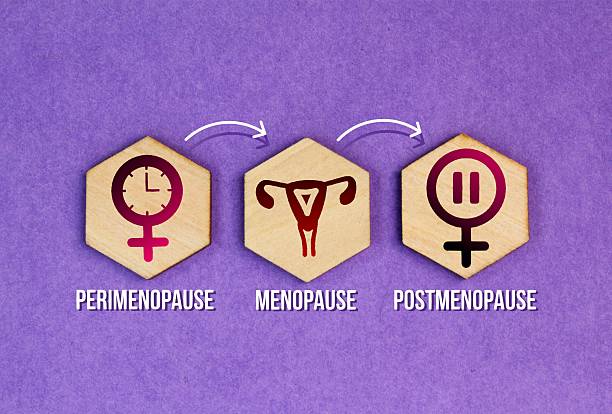
Menopause is often described as a single moment in time, but in reality, it is a gradual transition made up of three distinct stages. Understanding the three stages of menopause can make this life phase far less confusing and much more manageable.
For many women, the first changes begin quietly during perimenopause, sometimes years before periods stop. Hormonal fluctuations during this stage can lead to symptoms such as irregular cycles, hot flashes, night sweats, mood changes, sleep disturbances, and unexpected fatigue. Because menstruation is still present, these symptoms are often dismissed or attributed to stress or ageing — even though they are early signs of the menopausal transition.
Menopause itself is officially diagnosed after 12 consecutive months without a menstrual period. This milestone marks the end of fertility and a significant drop in oestrogen and progesterone levels. While some women feel relief once cycles stop, others continue to experience symptoms such as hot flashes, vaginal dryness, reduced libido, emotional sensitivity, or brain fog. Menopause is not an illness, but it does signal important changes in how the body functions.
The final stage, postmenopause, begins after menopause and lasts for the rest of life. During this phase, hormone levels stabilise at a lower level. Many symptoms gradually ease, but long-term health considerations — such as bone health, cardiovascular risk, metabolism, and urogenital comfort — become more important.
This article explains each stage of menopause in clear, practical terms, including typical symptoms and how long each phase usually lasts. Whether you are noticing early changes, navigating menopause now, or adjusting to life after it, understanding what is happening in your body is the first step toward feeling more confident, informed, and supported during this transition.
by DrElla | 07.06.2025. | Heart issues
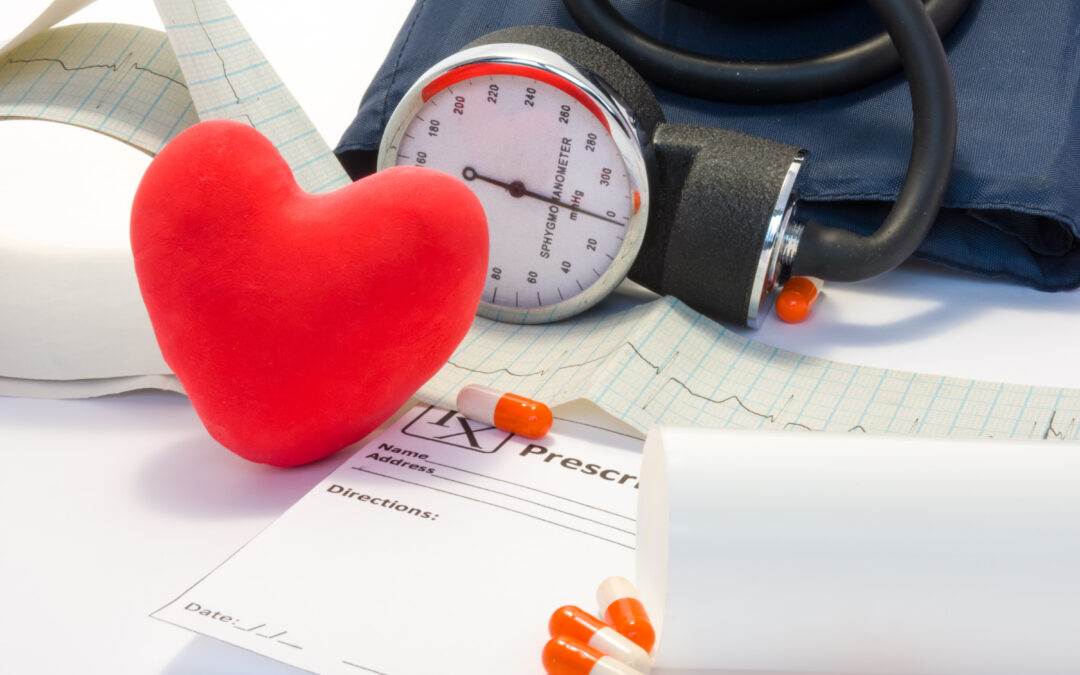
Menopause cardiovascular risks increase as oestrogen levels decline, affecting blood pressure, heart rhythm, and long-term heart health. Many women experience palpitations, fatigue, or breathlessness during this transition. Understanding which symptoms are hormone-related — and which require medical attention — is essential for protecting heart health during and after menopause.

by DrElla | 04.05.2025. | Diet, Hot Flashes
Menopause brings hormonal changes that affect energy, sleep, and overall wellbeing. Thoughtful lifestyle and diet recommendations for menopause can ease symptoms without extreme restrictions. A balanced, plant-focused approach supports hormonal health, gut function, and long-term vitality. Small, sustainable changes — combined with stress management and movement — can make a real difference during this life stage.

by DrElla | 08.04.2025. | Herbal remedies, Hot Flashes, Relieving symptoms, Supplements
Hot flashes can strike without warning, disrupting sleep and daily life during menopause. Many women look for natural ways to ease these sudden waves of heat before turning to hormone therapy. This article explores natural supplements that may help reduce hot flashes and night sweats, and explains how to use them safely as part of a balanced menopause approach.

by DrElla | 23.03.2025. | Acupressure/acupuncture, Hot Flashes, Relieving symptoms
Hot flashes are one of the most common and disruptive symptoms of menopause, often appearing suddenly and interfering with daily life and sleep. Acupuncture and acupressure offer natural, non-hormonal ways to support the body during this transition. By calming the nervous system and improving heat regulation, these methods may help reduce the frequency and intensity of hot flashes, night sweats, and related discomfort. Learn how professional acupuncture and simple self-care techniques can become part of a balanced menopause support plan.

