
Last Updated on 24 June 2026 by Ella Okos, MD
During this life stage, menopause brings many changes, and diet often plays a bigger role than we expect.
Lifestyle and diet recommendations for menopause can help reduce hot flashes, improve energy levels, support sleep, and protect long-term health.
The good news? You don’t need extreme rules or restrictive diets. Small, consistent changes can make a real difference.
Why Diet and Lifestyle Matter During Menopause
Hormonal shifts during menopause affect how your body regulates temperature, blood sugar, stress, and sleep. What you eat, when you eat, and how you support your nervous system all influence how intense these symptoms feel.
Nutrition and lifestyle needs often change over time, and understanding the three stages of menopause helps explain why symptoms — and supportive strategies — may differ throughout this transition.
Importantly, lifestyle and diet recommendations for menopauseare not about perfection — they’re about balance, nourishment, and sustainability.
Core Lifestyle Recommendations for Menopause
Before diving deeper into diet, these daily habits can already reduce symptom intensity:
-
Reduce spicy foods, caffeine, and alcohol if they trigger hot flashes
-
Avoid smoking
-
Move your body regularly (walking, strength training, yoga)
-
Aim for a healthy, stable body weight
-
Practice stress-reducing techniques such as breathing exercises, meditation, yoga nidra, or massage
As a result, these lifestyle foundations amplify the benefits of any dietary approach.
Dietary Recommendations for Menopause: Finding Balance
However, there are countless diets promising fast results — Mediterranean, DASH, keto, intermittent fasting, plant-based, low-carb. Many of them contradict each other, which can feel confusing and overwhelming.
My personal and professional approach is simple:
The Golden Mean
When it comes to menopause, balance matters more than extremes.
In practice, a flexible, nourishing diet that supports blood sugar stability, gut health, and hormone balance is usually more sustainable than strict rules.
“Balanced” is not a trend — it’s a long-term strategy.
Why a Plant-Focused Diet Works Well During Menopause
As I share in the About me section, I follow a vegan lifestyle. You might wonder: Is a plant-based vegan diet really balanced (and healthy)? Why focus so much on plant-based eating?
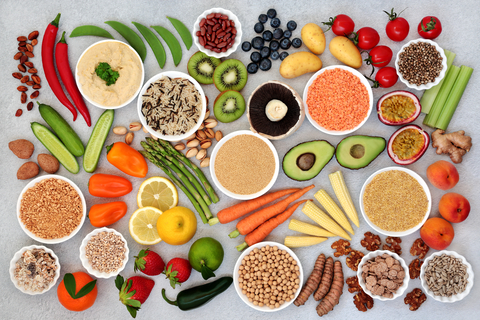
A predominantly plant-based diet means building your meals around vegetables, fruits, whole grains, legumes, nuts, and seeds — whether or not you include animal products is a personal choice.
What matters most is variety, quality, and minimal processing.
Basic Principles of a Healthy Menopause Diet
These principles apply to both vegan and non-vegan diets:
-
Minimise ultra-processed foods
-
Choose fresh, whole ingredients whenever possible
-
Avoid artificial additives and highly refined products
-
Focus on vegetables, fruits, legumes, whole grains, seeds, and nuts
-
Limit refined sugars and industrial trans fats
-
Choose healthy fats (olive oil, flaxseeds, chia seeds, walnuts, avocado)
-
Pay attention to food quality and sourcing
Putting it into practice:
- For breakfast, move away from sugary cereals or pastries and towards savoury, protein-rich options — such as eggs with vegetables, or oat porridge topped with ground flaxseeds and walnuts.
- For lunch and dinner, aim to fill half your plate with colourful vegetables, one quarter with a quality protein source (legumes, fish, or poultry), and one quarter with a complex carbohydrate such as quinoa, rye bread, or sweet potato.
This simple formula keeps blood sugar stable throughout the day and reduces the likelihood of evening cravings.
These lifestyle and diet recommendations for menopause support hormonal balance and metabolic health over time.
The benefits of (fully or predominantly) plant-based eating
Fully plant-based eating means that you do not eat any animal-based food (no meat, no fish or other animal seafood, no dairy products, no eggs, no honey), that is what vegans do.
[Just to put it plain: veganism means not only having a plant-based diet but also excluding any form of animal use for labour (e.g. in agriculture), in clothing (e.g., leather, wool, fur), in entertainment (e.g., zoos, circuses) and animal testing, including medical experimentation and the use of cosmetics derived from or tested on animals)].
Predominantly plant-based eating means that you build the foundation of your diet on plants, which is essential for good health.
Whether or not you consume animal foods (it is totally up to you!), what is extremely important to understand is that eating a predominantly plant-based diet with a variety of minimally processed vegetables, fruits, whole grains, legumes, nuts and seeds can definitely improve your health.
Why is a plant-focused diet so beneficial for our health?
Increasing intake of plant-based foods often results in:
- increases in fiber intake
- decreases in saturated fat intake
- increased intake of essential vitamins and minerals
- also, it makes less space for less nutrient-dense and/or adverse foods
Plant-focused eating will typically result in:
- lower BMI (body mass index)
- lower body fat
- improved blood lipid (cholesterol, triglycerides) levels
- better blood sugar control
- healthy gut microbiome, which
-
-
- beyond digesting food
- also plays an essential role in regulating your hormones like oestrogen, thyroid stimulating hormone (TSH), serotonin, and stress hormones
- can boost your metabolism
- lower the risk of heart diseases and other common illnesses
-
-
- less inflammation in the body; many plant foods contain micronutrients known as polyphenols, which:
-
-
- contribute to a healthy gut microbiome
- help lower inflammation in the body
-
-
Scientific Background: What Research Shows
The fact that a predominantly plant-based diet can inprove our health has been scientifically proven and many medical guidelines highlight its importance1. Recently, an increasing number of clinical trials have been studying the effects of plant-based diets on health. They have found that plant-focused diet decreases the risk for cardiovascular diseases2, some cancer types, diabetes etc.3
In addition to these general health advantages, some studies have demonstrated the beneficial effects of a plant-based diet on vasomotor symptoms (hot flushes and associated symptoms) in perimenopausal women.
For example, a small study published in the journal “Menopause”4 concluded that a “dietary intervention consisting of a plant-based diet, minimizing oils, and daily soybeans significantly reduced the frequency and severity of post-menopausal hot flashes and associated symptoms.” Another study, published in the journal “Maturitas”5, found that perimenopausal participants who cut out animal products entirely experienced even greater benefit: “Eating more plants and fewer animal foods along with engaging in regular physical activity may prove effective for older women who prefer a natural solution to help manage their menopausal symptoms.” A review6 published online in the journal “Climacteric” found that „studies evaluating diet quality or dietary patterns showed an association between lower intensity of psychological symptoms, sleep disorders, and vasomotor, urogenital, and somatic symptoms and higher consumption of vegetables, whole grains, and unprocessed foods. Also, the intensity of these symptoms is associated with high-processed foods, saturated fats, and sugars.”
Diet, Sleep, and Energy During Menopause
Diet doesn’t just affect weight or digestion — it strongly influences sleep and daily energy.
Caffeine intake and meal timing can significantly impact energy levels and sleep disruption during menopause, especially when combined with hormonal changes.
A common but overlooked challenge is the afternoon energy slump around 3:00 PM. Rather than reaching for something sweet, choose a snack that combines protein and healthy fat — for example, a small handful of walnuts with an apple, or hummus with vegetable sticks. This bridges the gap between lunch and dinner without causing an insulin spike that can later disturb your sleep.
Hydration is another piece of the puzzle. Even mild dehydration can intensify brain fog and difficulty concentrating — symptoms that are already common during the hormonal shifts of menopause. Aim for at least 1.5–2 litres of water daily, and consider starting your morning with a large glass of water before coffee or tea.
As a result, nutrition becomes a key tool not only for managing hot flashes, but also for supporting long-term wellbeing — from sharper focus during the day to more restful sleep at night.
Macronutrients and Micronutrients Explained Simply
Macronutrients
These provide energy and structural support:
-
Carbohydrates
-
Proteins
-
Fats
Micronutrients
Needed in smaller amounts but essential:
-
Vitamins
-
Minerals
-
Trace elements
In recent decades, additional protective compounds have gained attention, such as polyphenols and flavonoids, which are abundant in plant foods and support gut and hormone health.
Why Gut Health Matters in Menopause
A healthy gut microbiome helps regulate:
-
Estrogen metabolism
-
Stress hormones
-
Blood sugar balance
-
Inflammation
Plant-rich diets naturally support gut diversity, which may ease menopausal symptoms and improve overall resilience.
FAQ – Diet and Lifestyle During Menopause
Is there one best diet for menopause?
No. The best diet is one you can maintain long term, supports stable energy, and reduces symptoms.
Do I have to be vegan to benefit?
Not at all. A predominantly plant-based approach works whether or not you include animal foods.
Can diet really reduce hot flashes?
For many women, yes. Especially when combined with stress management and regular movement.
Should I avoid caffeine completely?
Not necessarily. Sensitivity varies. Reducing intake or avoiding it later in the day often helps.
Final Thoughts: Small Changes Add Up
Menopause is not about fighting your body — it’s about learning how to support it.
Balanced nutrition, gentle lifestyle changes, and self-compassion can significantly improve how this transition feels.
Start small. Stay consistent. Listen to your body.
REFERENCES
- Health Benefits of a Plant-Based Dietary Pattern and Implementation in Healthcare and Clinical Practice
- Plant‐Centered Diet and Risk of Incident Cardiovascular Disease During Young to Middle Adulthood
- Plant-based diets and long-term health: findings from the EPIC-Oxford study
- A dietary intervention for vasomotor symptoms of menopause: a randomized, controlled trial
- Vegans report less bothersome vasomotor and physical menopausal symptoms than omnivores
- Dietary intake and menopausal symptoms in postmenopausal women: a systematic review
