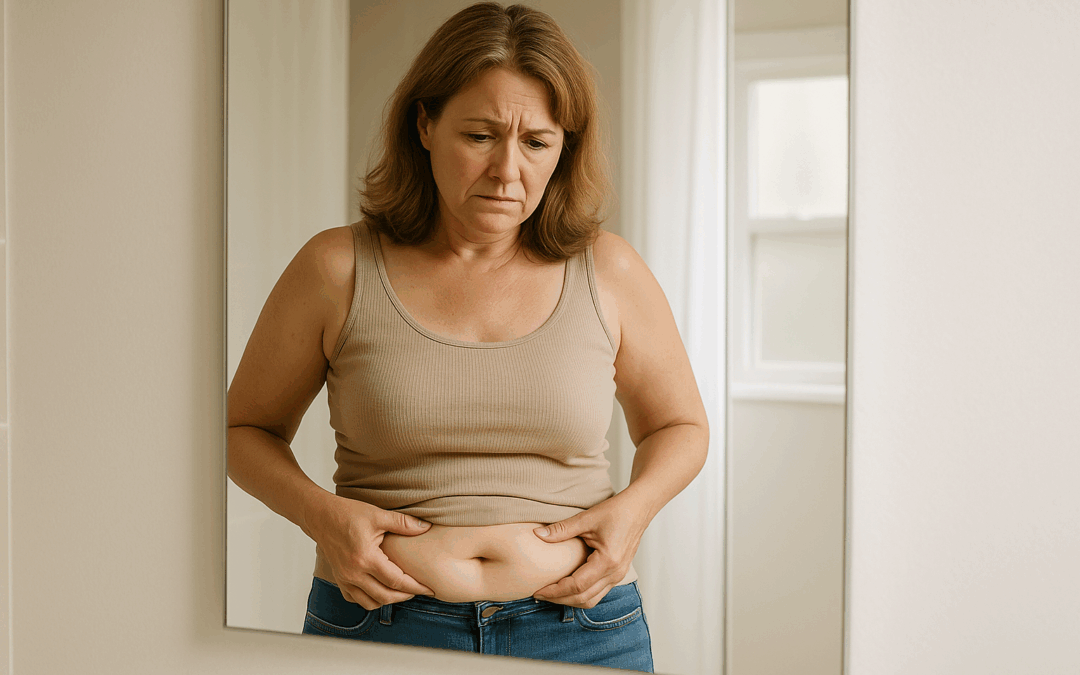
Why Belly Fat Increases During Menopause: Hormonal Causes Explained
Belly fat can feel stubborn during menopause — but you can manage it naturally. Learn how to balance hormones, move smarter, and eat right for a healthier waistline.

Belly fat can feel stubborn during menopause — but you can manage it naturally. Learn how to balance hormones, move smarter, and eat right for a healthier waistline.
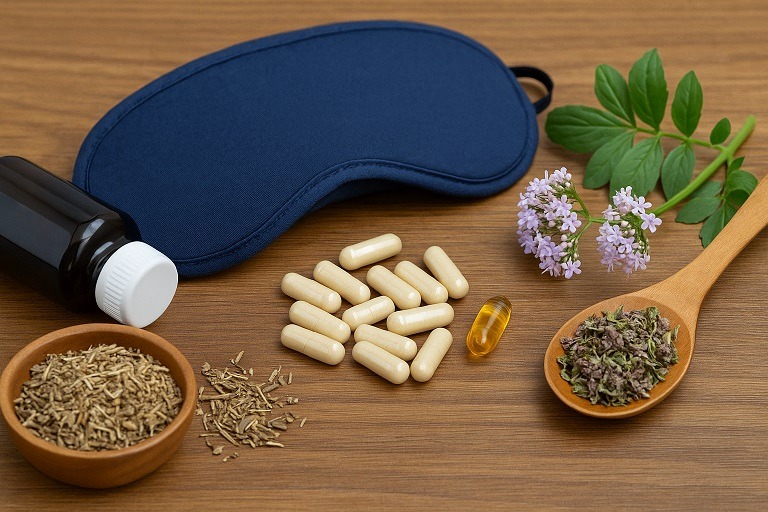
Menopause often brings more than hot flashes and mood swings—it can also disrupt sleep. Many women find themselves tossing and turning, waking in the night, or feeling restless because of hormonal shifts, night sweats, and anxiety.
Herbal remedies and supplements may offer gentle support when traditional sleep tips aren’t enough. From calming chamomile, valerian, and passionflower to newer options like ashwagandha, magnesium, CBD, and melatonin, natural approaches can help the body relax and restore a healthier sleep rhythm.
In this article, we explore which remedies show promise, what the science says, and how they may also ease other menopause symptoms—or in some cases, make them worse. You’ll also find a handy comparison table and practical tips for choosing the safest, most effective options.

Sleep problems are common during menopause, but they don’t have to define your nights. Learn why sleep is disrupted and discover gentle, evidence-based strategies and natural approaches that may help you rest better again.
Menopause isn’t just about hot flashes or mood swings—it can take a toll on your heart too. As estrogen levels fall, women face higher risks of high cholesterol, rising blood pressure, and irregular heartbeat. Fatigue and low energy also become common, making the heart work harder.
The good news? Some natural supplements may help. Omega-3s, magnesium, and CoQ10 are among the most researched, supporting cholesterol balance, steady blood pressure, and improved energy. Others, like vitamin D, vitamin K2, and resveratrol, protect bones and blood vessels while easing menopause symptoms such as hot flashes or poor sleep.
Still, not every supplement is risk-free. For example, high doses of niacin can worsen hot flashes, and excess vitamin E may raise bleeding risk. That’s why it’s important to choose wisely, stick to safe dosages, and always consult your doctor before starting anything new.
By adding the right supplements to a healthy lifestyle—think nutritious food, regular exercise, and stress management—you can protect your heart, ease menopause discomfort, and feel more energized in daily life.
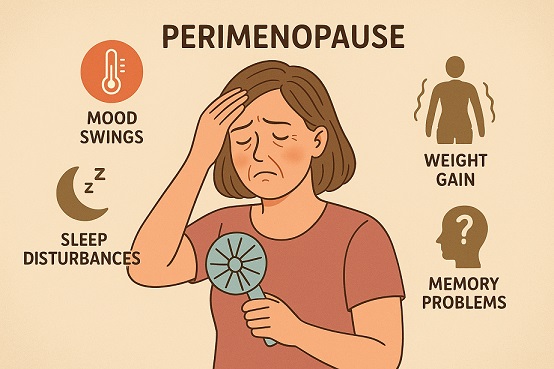
The early signs of menopause can begin years before periods stop completely. From sleep problems and hot flashes to mood changes and irregular cycles, perimenopause often brings unexpected symptoms. This guide explains the first symptoms of menopause, what’s normal, and what helps—so you can understand your body and feel supported during this transition.
