by DrElla | 26.12.2025. | Breathing exercises, insulin resistance, meditation, QiGong, Stress relief, yoga
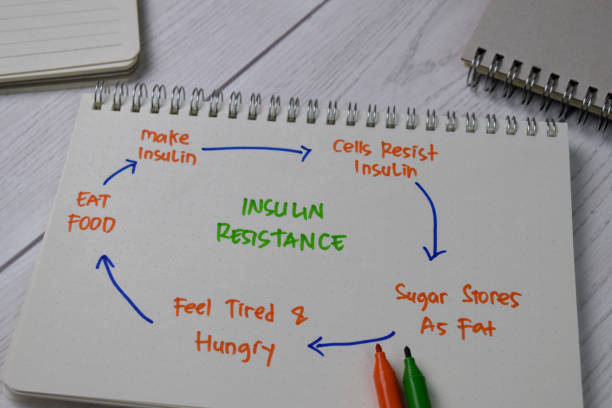
Chronic stress plays a powerful role in insulin resistance. When cortisol stays high, blood sugar rises and cells become less responsive to insulin. That’s why mind–body care isn’t optional—it’s essential.
In Part 4 of the Ultimate Natural Guide to Insulin Resistance, we explore how simple daily practices can calm the nervous system and support better metabolic health. You’ll learn why improving vagal tone helps regulate cortisol, digestion, sleep, and insulin sensitivity—all at once.
This guide introduces a realistic 15-minute daily minimum, proving you don’t need hours of meditation or intense exercise to see benefits. Instead, you can choose from three gentle tracks: breath and movement, mindfulness plus walking, or Tai Chi/Qi Gong. Each option is designed to fit different personalities and energy levels.
You’ll also discover why evening routines matter just as much as daytime habits. Consistent sleep schedules, dim lighting, screen breaks, and calming rituals help stabilize circadian rhythms and improve blood sugar overnight.
Mind–body care works best when combined with the tools covered in earlier parts of this series—nutrition, supplements, herbs, acupuncture, aromatherapy, and homeopathy. Together, they create a more balanced, resilient metabolic environment.
In the final part of this guide, we’ll show you how to put everything together into a sustainable, personalized plan.
by DrElla | 27.11.2025. | Homeopathy
Homeopathy is one of the most frequently explored natural approaches for people looking to support blood sugar balance in a gentle, non-invasive way. In Part 4 of the Ultimate Natural Guide to Insulin Resistance, we build on the stress-calming, craving-reducing strategies covered in Part 3 (acupuncture, acupressure, and aromatherapy) and turn our attention to remedies traditionally used to support cravings, energy swings, digestion, and metabolic comfort.
Homeopathy aims to stimulate the body’s own adaptive mechanisms. While it cannot replace healthy nutrition, physical activity, sleep hygiene, or medical treatment, it can complement these foundational strategies. Many people find that remedies help soften the intensity of afternoon crashes, reduce irritability from fluctuating blood sugar, or ease cravings for sweets and stimulants.
This article outlines the most commonly used remedies in homeopathic metabolic care—Lycopodium, Calcarea carbonica, Nux vomica, Phosphoric acid, and Insulinum—and explains why practitioners select each one. You’ll learn, for example, that Lycopodium is often used for cravings and sluggish digestion, Calcarea carbonica for slow metabolism and abdominal weight gain, Nux vomica for stress-driven habits and overwork, and Phosphoric acid for the deep fatigue associated with blood sugar imbalance. Insulinum is frequently considered the core metabolic support remedy.
We also walk through how practitioners thoughtfully combine remedies, not by giving many at once, but by pairing a central remedy like Insulinum with a supportive one based on your dominant patterns. Whether the challenge is cravings, stress, brain fog, or metabolic sluggishness, these pairings are designed to offer gentle, layered support.
This guide provides general educational usage principles, including typical frequencies, what symptoms homeopaths ask people to observe, and when to avoid self-prescribing—especially if you take glucose-lowering medication or have unstable blood sugar.
by DrElla | 22.11.2025. | Acupressure/acupuncture, Aromatherapy, Homeopathy, Relieving symptoms
Acupuncture/acupressure, and aromatherapy offer gentle and effective ways to support insulin resistance—especially when paired with healthy nutrition, movement, supplements, and better sleep. In Part 2 of our Ultimate Natural Guide to Insulin Resistance, we explore how these therapies help calm stress, reduce cravings, and create a more balanced metabolic environment.
Stress, fatigue, poor sleep, and cravings all place pressure on insulin sensitivity. That’s where acupuncture and acupressure come in. These practices may help modulate the nervous system, reduce cortisol, improve digestion, and enhance glucose uptake in muscle cells. With consistent sessions—typically once weekly for 6–8 weeks—many people notice improved energy, better digestion, and a sense of calm that supports healthier blood sugar patterns. We also highlight the most commonly used acupressure points for at-home care, including ST36 for energy and digestion, SP6 for hormonal balance, LV3 for stress, LI11 for inflammation, CV12 for sugar handling, PC6 for cravings, and the well-known ear point Shen Men, often used for relaxation, cravings, and emotional balance.
Aromatherapy adds another layer of support by engaging the limbic system, the emotional and stress-regulation center of the brain. Essential oils like lavender, bergamot, sweet orange, peppermint, and grapefruit help shift mood, improve sleep quality, and ease the emotional drivers of cravings. You’ll also find simple blends for calming evenings, resetting afternoon cravings, and winding down after dinner, along with dilution guidelines to ensure safe use.
As always, this guide is for educational purposes, and discussing natural therapies with your clinician remains essential—especially when taking antidiabetic medication, anticoagulants, SSRIs, or antibiotics.
by DrElla | 22.11.2025. | Herbal remedies, insulin resistance, Relieving symptoms, Supplements
Insulin resistance is increasingly common—and often frustrating. Energy swings, stubborn cravings, and elevated glucose can leave you feeling like your body is working against you. While foundational habits like nutrition, movement, sleep, and stress care provide the strongest impact, many people explore natural supports to complement their routine. This guide breaks down the most researched herbs and supplements that may help your cells respond to insulin more effectively.
Plants have been used for centuries to support blood sugar balance, and modern research is beginning to explain why. Cinnamon, for example, may improve insulin signalling and slow gastric emptying, offering a gentle nudge toward more stable glucose. Berberine, known for its “metabolic switch” activation, has shown promise for post-meal glucose control—although it must be used with care due to medication interactions. Fenugreek provides soluble fiber that slows carbohydrate absorption and may help promote satiety, while Gymnema sylvestre (“the sugar destroyer”) can reduce the taste of sweetness and support healthier cravings.
Other botanicals work indirectly by lowering inflammation or easing stress—two major contributors to insulin resistance. Curcumin, the active compound in turmeric, helps modulate inflammatory pathways, while holy basil (Tulsi) acts as an adaptogen that may help smooth out cortisol-related spikes.
Nutritional supplements can also play a helpful role when used thoughtfully. Magnesium supports insulin receptor function and is commonly low. Chromium may reduce carb cravings, while omega-3s help temper inflammation. Alpha-lipoic acid assists with antioxidant status and nerve health, and vitamin D, zinc, and CoQ10 round out the nutrients often considered in metabolic support protocols.
This guide is strictly educational. Always discuss herbal or supplemental changes with your clinician—especially if you take medications like diabetes drugs, blood thinners, SSRIs, thyroid medications, or antibiotics. When chosen strategically, natural supports can complement your lifestyle foundations and help create a more balanced metabolic environment.
by DrElla | 19.10.2025. | insulin resistance, Relieving symptoms, Symptoms
Insulin resistance is one of the most common yet overlooked health challenges women face during perimenopause and menopause. Hormonal changes, rising stress levels, poor sleep, and a slowing metabolism can all disrupt blood sugar balance — often leading to fatigue, stubborn weight gain, sugar cravings, and mood changes. In this article, we explore what insulin resistance really is, why it becomes more common in midlife women, and how simple, natural lifestyle changes can help restore metabolic balance. You’ll learn how movement, balanced nutrition, stress management, sleep, and holistic support options work together to improve insulin sensitivity and support long-term health during midlife and beyond.

