
Last Updated on 6 June 2026 by Ella Okos, MD
Introduction
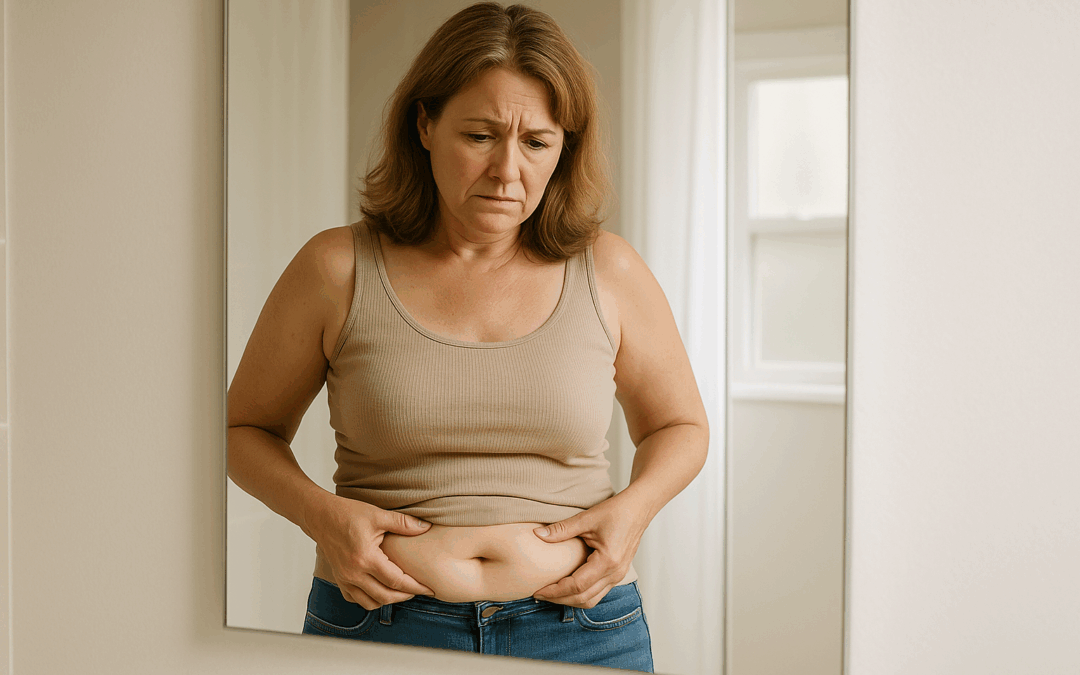
If you’ve reached menopause and suddenly noticed extra fat around your middle, you’re not imagining things. Many women find that their body shape changes — often without big changes in diet or exercise.
Belly fat during menopause isn’t just about age or slower metabolism. It’s deeply connected to hormonal changes, stress, and how your body stores fat.
Let’s look at the main causes and what’s really going on inside your body.
Main causes of belly fat
1. Estrogen Takes a Backseat
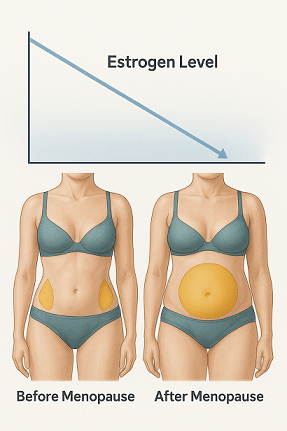
Estrogen is the main female hormone that helps regulate fat distribution. Before menopause, it encourages fat storage around the hips and thighs — giving the body a “pear shape.”
As estrogen levels drop during menopause, the body begins to store more fat in the abdomen. This shift leads to the familiar “apple shape” many women notice in midlife.
This type of fat — called visceral fat — collects deep inside the abdomen, surrounding internal organs. It’s not just a cosmetic concern; visceral fat affects metabolism, increases inflammation, and raises the risk of heart disease and diabetes.
2. Cortisol: The Stress Hormone That Fuels Belly Fat
Cortisol, often called the “stress hormone,” plays a huge role in belly fat gain. When you’re under stress, your adrenal glands release cortisol to help your body cope.
But when stress is constant — from work, relationships, or even poor sleep — cortisol levels stay elevated. This is where problems begin.
Belly fat has more cortisol receptors than other types of fat. That means when cortisol rises, your belly fat cells are the first to respond, storing more fat around your midsection.
Chronic stress also boosts appetite and cravings for sugary or fatty foods, which can compound the problem. Over time, this can lead to a stress–fat feedback loop, making belly fat stubborn and hard to lose.

Meditation is a good way to reduce stress and decrease cortisol levels, as a result.
3. Testosterone: The Silent Supporter
Testosterone isn’t just a male hormone — women need it too. It helps maintain muscle mass, energy, and a healthy metabolic rate.
During menopause, testosterone levels naturally decline. Less muscle means fewer calories burned, even at rest. The result? A slower metabolism and easier fat storage, especially in the abdominal area.
Low testosterone can also cause fatigue and reduced motivation for exercise, which quietly adds to weight gain over time.
4. Insulin Resistance: When Sugar Becomes a Problem
As estrogen and progesterone fluctuate, your body’s response to insulin — the hormone that controls blood sugar — can weaken. When cells become less sensitive to insulin, the body stores more glucose as fat, often in the belly.
This insulin resistance not only promotes belly fat but also increases the risk of type 2 diabetes and metabolic syndrome.
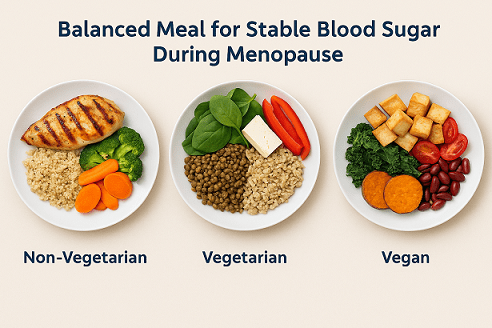
Eating a diet high in refined carbs and sugar during menopause can worsen this effect, creating a cycle of fatigue, hunger, and weight gain.
5. Thyroid Slowdown
The thyroid gland acts as your metabolic engine. Even small changes in thyroid activity can affect how efficiently your body burns calories.
During menopause, thyroid function can slow down slightly, leading to fatigue, mood changes, and gradual weight gain. If you’re gaining weight rapidly or feeling sluggish despite eating well and exercising, a thyroid check with your doctor is a smart idea.
6. Visceral Fat and Hormone Feedback Loops
Here’s a fascinating twist: once belly fat builds up, it can actually produce hormones that make the situation worse.
Fat cells, especially visceral fat, are metabolically active. They release enzymes such as 11β-HSD1, which convert inactive cortisone into active cortisol right inside your abdominal tissue
In other words, your belly fat can create more cortisol, which then leads to more belly fat — a self-sustaining cycle that makes weight loss harder.
This feedback loop explains why belly fat in menopause can feel so resistant, even when you’re eating healthy or exercising.
7. Lifestyle Triggers That Amplify Belly Fat
Hormones might set the stage, but lifestyle habits often add fuel to the fire.
- Lack of physical activity reduces calorie burn and muscle tone.
- Poor sleep raises cortisol and hunger hormones like ghrelin.
- Highly processed foods spike insulin and promote fat storage.
- Alcohol can increase cortisol and add empty calories.
- Emotional eating — common during mood swings or anxiety — can easily undo healthy habits.
Together, these factors can speed up belly fat gain and make it harder to reverse.

The Bottom Line
Belly fat during menopause isn’t just about getting older — it’s about hormonal shifts, stress responses, and metabolic changes working together.
Estrogen, cortisol, testosterone, insulin, and thyroid hormones all play a part in how your body stores fat. Once visceral fat develops, it can influence these hormones even more, creating a challenging cycle.
Understanding the causes of belly fat in menopause is the first step toward addressing it effectively.
In a next post, I’ll explore natural and science-backed ways to reduce menopausal belly fat — without extreme dieting or stress.
