
Last Updated on 23 June 2026 by Ella Okos, MD
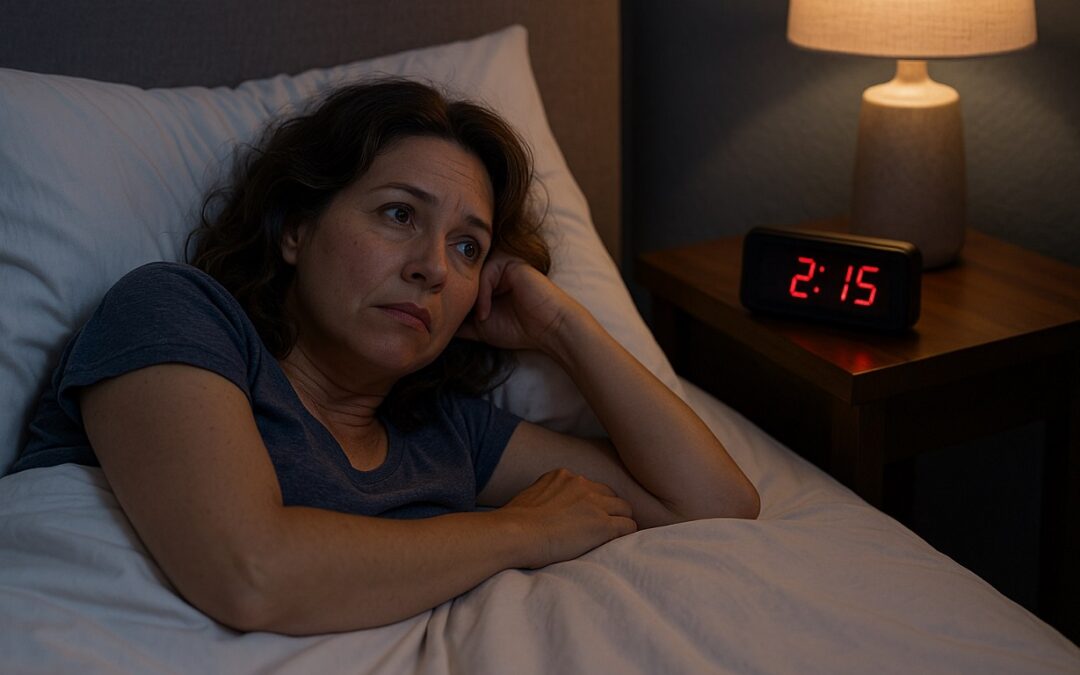
Menopause brings many changes, and disrupted sleep is one of the most frustrating. If you find yourself lying awake at night, waking up drenched in sweat, or feeling exhausted despite spending hours in bed, you’re far from alone. Research suggests that up to 60% of women experience sleep problems during menopause.
Ongoing sleep disruption may also place additional strain on heart and circulation, especially when hormonal changes begin to affect circulation and blood vessel function.
Sleep disturbances rarely appear without context. Understanding the three stages of menopause helps explain why sleep problems may begin early, fluctuate over time, or persist even as other symptoms change.
For many women, disrupted sleep is one of the earliest signs of hormonal transition. In fact, ongoing sleep issues often develop during perimenopause and may appear years before periods stop completely.
The encouraging news is this: poor sleep doesn’t have to become your new normal. Many women find that a combination of practical lifestyle changes and gentle, natural support can make nights more restful again. This article explores why menopause affects sleep and which strategies may genuinely help.
Why Sleep Problems Are So Common During Menopause
Sleep problems during menopause are closely linked to hormonal changes that affect body temperature regulation, stress response, and circadian rhythm. As estrogen and progesterone levels fluctuate and decline, the body’s natural sleep–wake rhythm can become less stable, making sleep lighter and more fragmented over time. The same hormonal shifts can also influence blood vessel flexibility, circulation efficiency, and overall heart health during menopause.
Hot flashes and night sweats often interrupt sleep just as the body begins to relax. This disruption follows a specific biological pattern. When a hot flash occurs during sleep, the sudden spike in body temperature triggers a brief release of adrenaline. This chemical signal wakes the brain almost instantly — heart rate rises and the body enters a mild stress response. Even if the heat passes quickly, returning to deep sleep becomes difficult because the nervous system remains activated. Understanding this cycle helps explain why night sweats cause such disproportionate exhaustion: it is not simply the heat itself, but the hormonal chain reaction that follows.
Early hormonal fluctuations can affect sleep regulation early on, which is why insomnia and nighttime awakenings are often among the first symptoms of menopause.
Emotional changes may add another layer. Increased stress, anxiety, or mood swings can make it harder to fall asleep or stay asleep. Lifestyle factors—such as irregular sleep schedules, caffeine intake, or evening screen use—can further amplify these challenges.
Understanding why sleep is affected is an important first step toward finding solutions that work for you. Placing these changes in the broader context of the signs of perimenopause can help women recognize sooner what’s happening and seek appropriate support.
Common Sleep Problems in Menopause
Many women notice one or more of the following sleep issues during menopause:
-
difficulty falling asleep
-
frequent night waking
-
waking too early and struggling to fall back asleep
-
sleep disruption caused by hot flashes or night sweats
-
feeling unrefreshed in the morning
These patterns are common and do not mean you are “doing something wrong”.
When Poor Sleep Becomes Clinical Insomnia
Not every difficult night counts as insomnia. Healthcare professionals generally look for a pattern where sleep is disrupted on at least three nights per week for three months or more. During this time, many women describe a “tired but wired” sensation — the body is physically exhausted, yet the nervous system remains in a state of heightened alert due to fluctuating hormones, particularly elevated cortisol. This makes it genuinely difficult to fall asleep even when fatigue is overwhelming. Recognising this pattern is important, because it signals that lifestyle adjustments alone may no longer be sufficient and that professional support is worth considering.
Natural Strategies That May Improve Sleep in Menopause
Alongside hormonal shifts, everyday habits and lifestyle factors that affect sleep—such as diet, caffeine intake, and evening routines—can play a surprisingly important role during menopause.
1. Create a Cool, Comfortable Sleep Environment
Keeping the bedroom cool—around 18–20°C (65–68°F)—can reduce night sweats and support deeper sleep. Breathable bedding, lightweight sleepwear, and good air circulation can make a noticeable difference.
2. Keep a Consistent Sleep Schedule
Going to bed and waking up at roughly the same time each day helps regulate your internal clock. Even small improvements in consistency can support better sleep over time.
3. Be Mindful of Caffeine and Alcohol
Caffeine later in the day can linger longer than expected, while alcohol may fragment sleep during the night. Many women find it helpful to switch to herbal teas and avoid alcohol close to bedtime, since it disrupts sleep architecture.
4. Wind Down Gently Before Bed
A calming evening routine signals to your body that it’s time to rest. Consider dedicating a full 60-minute “Power Down” hour before bed — a consistent window where you move away from screens, tasks, and decision-making entirely. The predictability of this routine helps your brain overcome the hormonal fluctuations that often trigger late-night alertness. During this time, warm baths, light stretching, breathing exercises, or quiet reading can help you transition into sleep. Journaling can be particularly effective: try a “Brain Dump” — writing down any lingering worries or tomorrow’s to-do list before turning out the light. By externalising these thoughts onto paper, you give your mind permission to rest, knowing your responsibilities are safely recorded for the morning.
5. Stay Active—Earlier in the Day
Regular physical activity supports sleep quality and stress reduction. However, intense exercise late in the evening may be overstimulating for some women. Alongside movement, starting your day with at least 15 minutes of natural sunlight before 10 a.m. helps reset your circadian rhythm and supports melatonin production later in the evening.
6. Manage Night Sweats Thoughtfully
Moisture-wicking fabrics, layered blankets, and cooling mattress pads can help you adjust quickly during the night without fully waking up.
Complementary and Natural Approaches That Some Women Find Helpful
As part of a broader strategy to support more restful sleep, many women explore complementary and alternative approaches alongside lifestyle changes. In practice, experiences vary, and these methods tend to work best when used consistently and thoughtfully.
-
Herbal support: Chamomile, valerian, passionflower, and lemon balm are often used for relaxation. Black cohosh may help some women with hot flashes.
-
Supplements: Magnesium, melatonin, and L-theanine are commonly discussed for sleep support. Always check with a healthcare professional before starting supplements.
-
Acupuncture: Some studies suggest acupuncture may reduce hot flashes and night sweats and improve sleep quality in certain women.
-
Aromatherapy: Scents such as lavender or sandalwood can create a calming bedtime ritual.
-
Homeopathy: Some women choose homeopathy for menopause-related sleep concerns, though responses are highly individual.
-
Mind–body practices: Meditation, gentle yoga, tai chi, and guided imagery may ease stress and promote relaxation before sleep.
When to Talk to a Healthcare Professional
This article is intended for informational purposes only and is not a substitute for medical advice.
If sleep problems persist despite lifestyle adjustments and natural approaches, it’s important to seek professional guidance. Healthcare providers can discuss options such as cognitive behavioural therapy for insomnia (CBT-I), hormonal therapies, or non-hormonal treatments when appropriate.
When you do speak with your doctor, being specific about your experience will help them give more targeted guidance. Rather than describing yourself as “tired,” try to explain what is actually happening: how long it takes to fall asleep, how often you wake, and whether night sweats are involved. You might also consider asking the following questions directly:
- Could my sleep difficulties be linked to thyroid function or low iron stores, rather than menopause alone?
- Are there supplements that would be safe to take alongside my current medications?
- Would I be a suitable candidate for HRT specifically to address night sweats and sleep quality?
This kind of preparation helps your doctor distinguish between general fatigue and a pattern that warrants further investigation.
Quick Tips for Better Sleep During Menopause
Lifestyle-focused tips
- Keep your bedroom cool and well ventilated
- Maintain regular bed and wake times
- Reduce caffeine and alcohol intake
- Exercise regularly, but not late at night
Supportive strategies
- Practice relaxation before bedtime
- Choose breathable sleepwear and bedding
- Explore gentle natural approaches thoughtfully
- Seek professional support if sleep struggles continue
Final Thoughts
Sleep problems in menopause can feel overwhelming, especially when exhaustion spills into daily life. Still, many women discover that small, consistent changes add up to meaningful improvements.
What works best often differs from one person to another. Stay patient, listen to your body, and allow yourself time to experiment. Restful nights may take effort—but they are still possible.
FAQ – Sleep Problems in Menopause
Why does menopause cause sleep problems?
Hormonal changes can disrupt the natural sleep cycle, while hot flashes, night sweats, and emotional shifts may interrupt sleep throughout the night.
What helps with menopause-related insomnia?
A consistent sleep routine, a cool sleep environment, relaxation techniques, and gentle lifestyle adjustments often help. Some women also explore natural remedies.
Can natural remedies improve sleep during menopause?
They may. Herbal teas, supplements, acupuncture, aromatherapy, and mind-body practices support sleep for some women, though results vary.
What is the best bedroom temperature during menopause?
Most experts recommend 18–20°C (65–68°F) to support deeper, more comfortable sleep.
When should I see a doctor?
If sleep problems persist despite self-care strategies, a healthcare provider can help explore further options.
Resources mentioned
Below are a few resources that are commonly recommended today for emotional balance and sleep during menopause.
- Magnesium bisglycinate
(commonly used to support the nervous system and promote better sleep quality)
→ View on Amazon DE - Vitamin B-Complex
(often recommended to support emotional resilience during periods of stress or poor sleep)
→ View on Amazon DE - Recommended book for emotional wellbeing & support during menopause:
Dare I Say It: Everything I Wish I’d Known About Menopause — Naomi Watts
This book offers a candid, compassionate look at the emotional and psychological side of menopause. Drawing on personal reflection and expert insight, it explores mood changes, sleep disruption, stigma, and life transition — and is often recommended as a supportive, relatable resource for women navigating this phase today.
→ View on Amazon DE
The links above are affiliate links. This means I may earn a small commission if you choose to purchase — at no additional cost to you.
