
Last Updated on 26 June 2026 by Ella Okos, MD
During menopause, changes in the cardiovascular and circulatory system become increasingly relevant to long-term health. As oestrogen levels decline, blood vessels lose some of their natural flexibility, circulation may become less efficient, and blood pressure or cholesterol levels can begin to rise.
For this reason, supporting heart and circulation during menopause is not only about preventing future disease, but also about maintaining daily wellbeing and resilience.
Alongside lifestyle measures, herbal medicine is often explored as a complementary approach to support circulation and cardiovascular function during this transition.
How Menopause Affects Heart and Circulation
Oestrogen plays a key protective role in the cardiovascular system. It supports:
-
healthy blood vessel elasticity
-
balanced lipid metabolism
-
efficient microcirculation
-
normal inflammatory regulation
When oestrogen levels fall during menopause, several circulatory changes may occur:
-
increased vascular stiffness
-
reduced endothelial function
-
changes in blood pressure regulation
-
altered cholesterol balance
In simple terms, these changes mean that blood vessels may become less flexible and blood flow may not be as smooth as before. This is why some women notice changes in blood pressure, circulation, or heart-related symptoms during menopause. These early signs of menopause are often subtle and may appear alongside fatigue, mood shifts, or changes in sleep long before menopause is clearly recognised.
Over time, these changes may increase cardiovascular risk if left unaddressed. In addition, chronic fatigue and sleep problems during menopause may also affect cardiovascular health, further increasing strain on the heart. Therefore, these circulatory changes may develop gradually rather than appearing suddenly. Moreover, these changes often progress quietly over time.
Understanding how hormonal shifts unfold across the stages of menopause can help place these gradual cardiovascular changes into context.
How Herbal Support Can Help Heart Health During Menopause
Herbal medicine does not replace medical care. However, when used responsibly, it can support the body’s natural regulatory systems, including circulation, stress response, inflammation, and lipid balance. For this reason, herbal support is often considered alongside lifestyle changes rather than as a standalone solution. However, herbal support works best when used consistently over time.
Herbs may help by:
- supporting healthy blood pressure
- improving circulation and vessel function
- reducing oxidative stress
- calming the nervous system
This makes herbal medicine particularly relevant for functional circulatory support during menopause, when multiple subtle changes occur simultaneously.
Key Herbs Supporting Heart Health During Menopause
Below you’ll find a detailed overview of commonly used herbs that are discussed specifically in relation to heart and circulatory support during menopause. Consequently, the herbs below are discussed specifically from a circulatory perspective.
Note: The information below is for educational purposes only. Herbal remedies should be used with professional guidance, especially if you have cardiovascular conditions or take medication.
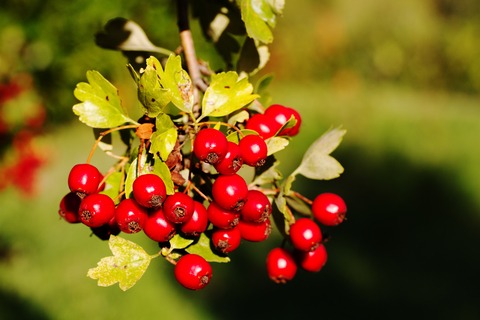
Hawthorn (Crataegus spp.)
- Benefits: Supports heart muscle function. Improves coronary and peripheral blood flow. Helps maintain healthy vascular tone.
- Evidence: Clinical studies suggest improved cardiac output and circulation in mild cardiovascular insufficiency. Traditionally used in European herbal medicine for heart support.
- Safety: May interact with prescription heart medication (e.g. digitalis, beta-blockers). Use should be supervised in diagnosed heart disease.
Garlic (Allium sativum)
- Benefits: Supports healthy cholesterol balance. Improves vascular function and blood flow. Contributes to endothelial health.
- Evidence: Meta-analyses show modest reductions in blood pressure and LDL cholesterol. Well studied in long-term cardiovascular risk reduction.
- Safety: Caution when used with anticoagulants or antiplatelet medication. May cause gastrointestinal discomfort in some individuals.

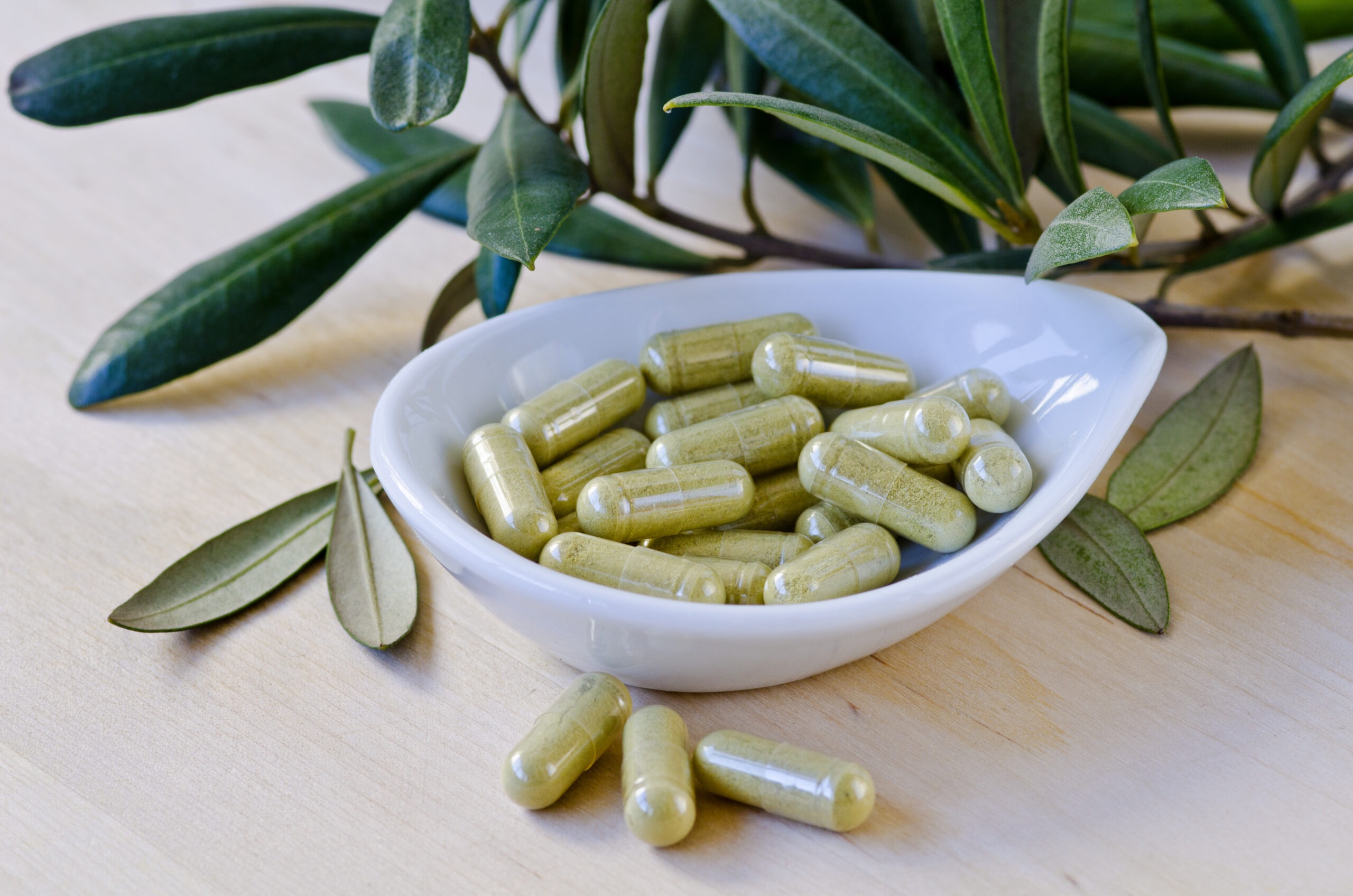
Olive Leaf Extract (Olea europaea)
- Benefits: Supports healthy blood pressure regulation. Improves vascular flexibility and endothelial function.
- Evidence: Clinical trials indicate modest reductions in blood pressure and triglycerides. Rich in polyphenols with antioxidant activity.
- Safety: Generally well tolerated. Mild dizziness may occur, especially at higher doses.
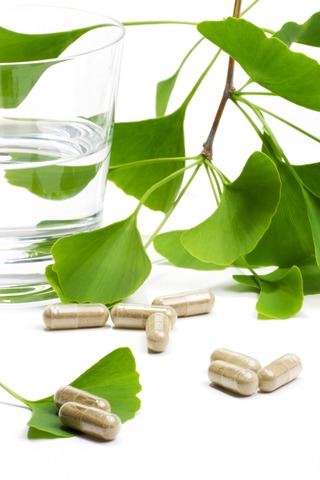
Ginkgo Biloba
- Benefits: Improves cerebral and peripheral circulation. Supports blood flow through vascular tone modulation.
- Evidence: Clinical data suggest improved circulation and endothelial activity. Widely studied in vascular and cognitive health contexts.
- Safety: Increases bleeding risk when combined with blood thinners. Should be avoided before surgery.
Additional Herbs Supporting Circulation and Heart Function
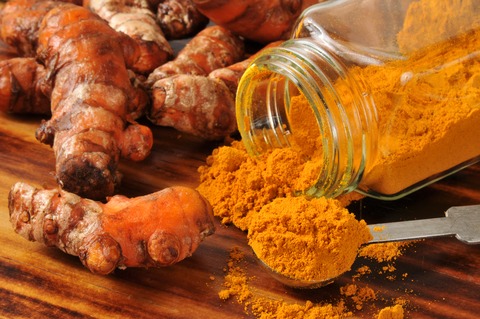
Turmeric (Curcuma longa) / Curcumin
- Benefits: Reduces low-grade vascular inflammation. Provides antioxidant protection to blood vessels.
- Evidence: Studies suggest improved endothelial function and lipid markers. Effects are supportive rather than acute.
- Safety: High doses may irritate the gastrointestinal tract. Caution advised with blood-thinning medication.
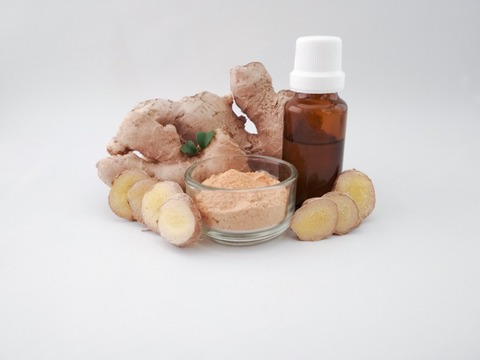
Ginger (Zingiber officinale)
- Benefits: Supports peripheral circulation. Mild vasodilatory and anti-inflammatory effects.
- Evidence: Studies suggest modest improvements in blood pressure and lipid parameters. Often discussed as adjunct cardiovascular support.
- Safety: Use cautiously with anticoagulant medication. May cause heartburn in sensitive individuals.
Cayenne Pepper (Capsicum annuum)
- Benefits: Stimulates circulation and blood flow. Supports peripheral vascular activity.
- Evidence: Capsaicin shown to influence vascular tone and lipid metabolism. Evidence mainly supportive rather than therapeutic.
- Safety: May intensify flushing or heat sensations. Can irritate the digestive tract.

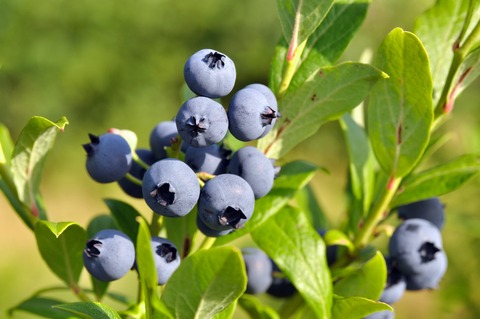
Bilberry (Vaccinium myrtillus)
- Benefits: Supports microcirculation and capillary integrity. Improves small-vessel blood flow.
- Evidence: Studies highlight benefits for vascular elasticity and capillary strength. Traditionally used for peripheral and retinal circulation.
- Safety: Generally well tolerated. Mild digestive upset possible.
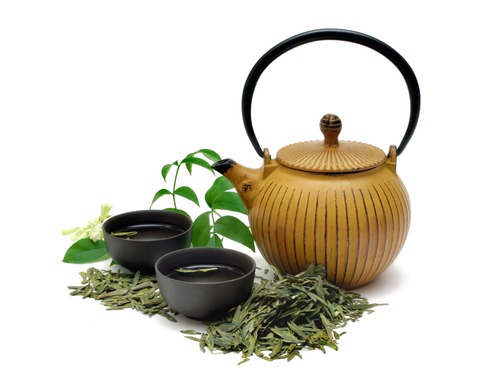
Green Tea (Camellia sinensis)
- Benefits: Supports cardiovascular and metabolic health. Helps maintain endothelial function.
- Evidence: Regular consumption associated with improved lipid profiles. Antioxidant catechins support vascular health.
- Safety: Contains caffeine; may worsen palpitations, anxiety, or sleep disturbance. Prefer early-day use or decaffeinated forms if sensitive.
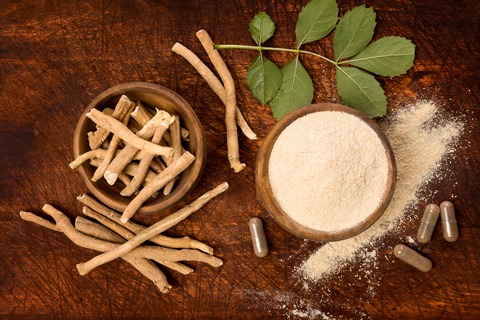
Ashwagandha (Withania somnifera)
- Benefits: Supports cardiovascular resilience under stress. Helps regulate autonomic balance, which may influence heart rate and vascular tone.
- Evidence: Research suggests potential benefits for stress-related cardiovascular parameters, including blood pressure and lipid balance. Evidence is strongest in individuals experiencing chronic stress.
- Safety: Use with caution in thyroid disorders. May interact with sedative or blood pressure–lowering medication.
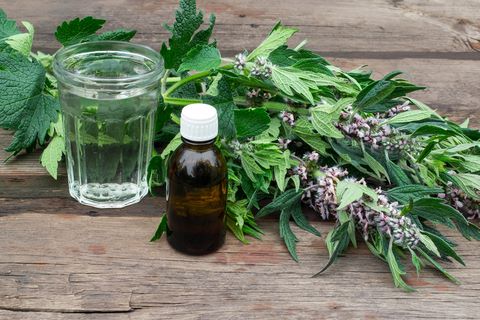
Motherwort (Leonurus cardiaca)
- Benefits: Supports heart rhythm regulation. Helps stress-related cardiovascular symptoms.
- Evidence: Traditionally used for palpitations and functional heart complaints. Evidence mainly observational and traditional.
- Safety: Avoid during pregnancy. Mild gastrointestinal effects possible.
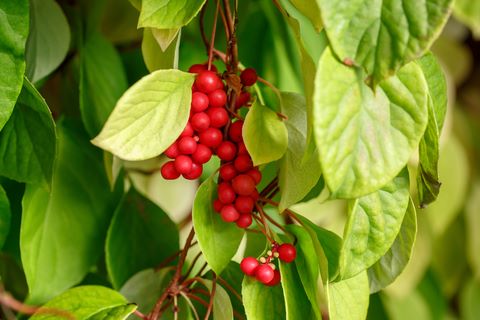
Schisandra (Schisandra chinensis)
- Benefits: Supports cardiovascular resilience under stress. Influences autonomic balance affecting circulation.
- Evidence: Research suggests cardioprotective and lipid-modulating effects. Evidence strongest in stress-related cardiovascular strain.
- Safety: Monitor use with blood pressure medication. Mild digestive discomfort possible.
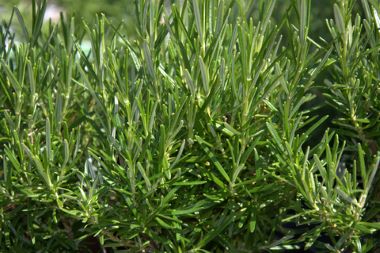
Rosemary (Rosmarinus officinalis)
- Benefits: Provides antioxidant vascular support. Supports circulation and blood flow.
- Evidence: Studies indicate improved circulation and oxidative stress protection. Traditionally used to stimulate blood flow.
- Safety: Excessive use may be stimulating. Can disturb sleep in sensitive individuals.
Summary Table: Herbal Support for Heart and Circulation
The table below gives an overview of herbal remedies and their effects on key heart health markers, such as blood pressure, cholesterol, circulation, and heart function. It also highlights their role in reducing inflammation, managing stress and anxiety, influencing blood clotting, and providing antioxidant benefits. This guide can help you choose the best herbs for your specific needs during menopause.
| Herbal Remedy | Supports Heart Function | Lowers Blood Pressure | Lowers Cholesterol | Improves Circulation | Reduces Inflammation | Reduces Stress/Anxiety | Anti-Inflammatory Effects | Effect on Blood Clotting | Anti-oxidant Effects |
| Hawthorn | ✓ | ✓ | ✓ | ✓ | |||||
| Garlic | ✓ | ✓ | ✓ | ✓ | ✓ | ||||
| Turmeric/Curcumin | ✓ | ✓ | ✓ | ✓ | |||||
| Olive Leaf Extract | ✓ | ✓ | ✓ | ✓ | ✓ | ||||
| Green Tea | ✓ | ✓ | ✓ | ✓ | |||||
| Ginger | ✓ | ✓ | ✓ | ✓ | ✓ | ✓ | ✓ | ✓ | |
| Cayenne Pepper | ✓ | ✓ | ✓ | ✓ | ✓ | ||||
| Bilberry | ✓ | ✓ | ✓ | ✓ | |||||
| Ashwagandha | ✓ | ✓ | ✓ | ✓ | ✓ | ✓ | |||
| Ginkgo Biloba | ✓ | ✓ | ✓ | ✓ | ✓ | ||||
| Motherwort | ✓ | ✓ | ✓ | ✓ | ✓ | ✓ | |||
| Schisandra | ✓ | ✓ | ✓ | ✓ | ✓ | ✓ | |||
| Rosemary | ✓ | ✓ | ✓ | ✓ |
Combining Herbs for Enhanced Benefits
Combining certain herbs can enhance their effects. For example:
- Garlic, turmeric, and ginger together provide strong antioxidant and anti-inflammatory benefits.
- Hawthorn and ginkgo are great for circulation and heart function.
- Ashwagandha and motherwort work well for stress-related heart issues.
Safety and Clinical Considerations
At the same time, it is important to recognise that circulation-focused herbs are not suitable for everyone. Additionally, individual tolerance can vary significantly.
Extra caution is needed if you:
- take antihypertensive or anticoagulant medication
- experience heart rhythm disturbances
- have diagnosed cardiovascular disease
Herbal medicine is complementary, not a substitute for medical evaluation or treatment. Individualised guidance helps reduce risk and ensures that circulatory support aligns with overall cardiovascular care.
How Herbal Heart and Circulation Support Fits Into Menopause Care
In addition to herbal support, daily habits play a central role in maintaining healthy circulation during menopause.
Moreover, lifestyle factors remain a central foundation for long-term heart health. Therefore, these remedies should be used as part of a broader approach that includes:
- regular physical activity to promote blood flow
- balanced nutrition supporting lipid and vascular health
- stress regulation and recovery
- adequate sleep and energy management
Herbal medicine may enhance these foundations, particularly when subtle circulatory changes begin to appear.
Herbal Remedies & Other Menopausal Symptoms
How These Herbs May Influence Other Menopause Symptoms
Each herb has broader effects beyond cardiovascular health. Consequently, not every effect will be noticeable for every woman. The table below illustrates how certain herbs impact various menopausal symptoms:
Potential Benefits and Considerations Beyond Heart Health
| Herbal Remedy | Other menopausal symptoms it may improve | Other menopausal symptoms it may worsen |
| Hawthorn |
|
Urinary Symptoms (may interact with medications) |
| Garlic |
|
Digestive Issues (heartburn or stomach upset in some individuals) |
| Turmeric |
|
Digestive Issues (may cause gastrointestinal upset in high doses) |
| Olive Leaf Extract |
|
Digestive Issues (mild discomfort in some individuals) |
| Green Tea |
|
|
| Ginger |
|
|
| Cayenne Pepper |
|
|
| Bilberry |
|
Digestive Issues (mild gastrointestinal discomfort) |
| Ashwagandha |
|
Increased Appetite (may stimulate hunger) |
| Ginkgo Biloba |
|
|
| Motherwort |
|
|
| Schisandra |
|
Digestive Issues (mild gastrointestinal discomfort in some) |
| Rosemary |
|
|
Frequently Asked Questions
Can herbal medicine support circulation during menopause?
Some herbs may support blood flow, vascular function, and stress-related circulatory changes when used appropriately.
Can herbs replace cardiovascular medication?
No. Herbal medicine does not replace prescribed treatment and should only be used alongside professional medical care.
When should circulatory support be considered?
Ideally early in menopause, before circulatory changes become advanced or symptomatic.
Conclusion
Menopause naturally brings changes to the heart and circulation. These changes are a normal part of ageing, but they can still affect how we feel day to day, as well as our long-term health. Paying attention to heart and circulation health during this time is therefore an important part of overall wellbeing.
When used thoughtfully and with professional guidance, herbal medicine may offer gentle support for the heart and circulation during menopause. It can work alongside healthy lifestyle habits and medical care, helping to support the body without making unrealistic promises or replacing proper treatment. Therefore, a gradual and supportive approach is usually the most realistic option.
