
Last Updated on 26 June 2026 by Ella Okos, MD
Hot flashes are one of the most common and disruptive symptoms of menopause.
For many women, they appear suddenly, disturb sleep, and affect daily comfort and confidence.
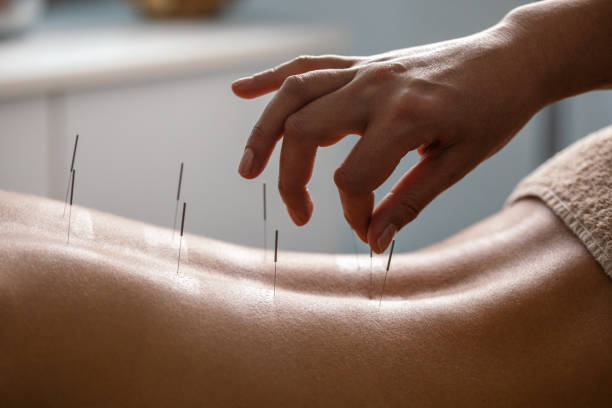
Acupuncture and acupressure for hot flashes offer a natural, non-hormonal way to support the body during this transition. When used correctly, these methods help calm the nervous system, reduce heat sensations, and ease associated symptoms such as sweating, anxiety, and restlessness.
As a medical doctor with personal experience of early menopause, I both use and recommend acupuncture-based approaches as part of a comprehensive menopause support strategy.
Why Hot Flashes Occur During Menopause
Hot flashes are often one of the early signs of menopause, linked to changes in the way the nervous system and temperature regulation respond to hormonal shifts.
These symptoms are closely related to hormonal changes during menopause, particularly fluctuating oestrogen levels. As hormone levels rise and fall, the brain’s temperature-regulating centre and the autonomic nervous system can become more sensitive. This may trigger sudden waves of heat, flushing, and sweating.
Many women notice that hot flashes are more likely to occur when certain factors are present, such as:
- stress or emotional tension
- poor sleep or ongoing fatigue
- specific triggers like alcohol, caffeine, or spicy foods
- increased nervous system sensitivity
Because of this connection, approaches that help calm and regulate the nervous system — including acupuncture — can play a supportive role in reducing the frequency and intensity of hot flashes.
How Acupuncture Helps Reduce Hot Flashes
Acupuncture works by stimulating specific points that affect:
-
the autonomic nervous system
-
heat regulation
-
circulation
-
hormonal balance
Clinical research, including a Danish clinical trial, has shown that acupuncture can significantly reduce both the frequency and intensity of hot flashes.
In my own experience — and in my work with menopausal patients — ear acupuncture combined with body acupuncture has provided particularly good results.
Ear Acupuncture for Menopause Symptoms
Ear acupuncture targets reflex zones connected to hormonal and nervous system regulation.
This method is gentle, well tolerated, and especially useful when body acupuncture points are hard to reach.
Body Acupuncture
When a trained professional performs body acupuncture, it can deepen and stabilise results, especially in women experiencing frequent or severe hot flashes.
Acupressure for Hot Flashes: Self-Care That Works
Acupressure can be a practical and empowering form of self-care for women experiencing hot flashes during menopause. It uses the same points as acupuncture but stimulates them with gentle finger pressure instead of needles.
One of the main benefits of acupressure is its calming effect on the autonomic nervous system. Because hot flashes are closely linked to nervous system sensitivity, regular acupressure may help reduce sudden heat sensations, flushing, and sweating.
Hot flashes often worsen at night and may contribute to sleep problems during menopause, especially when night sweats disrupt normal sleep cycles. By supporting nervous system regulation, acupressure may also help reduce this night-time symptom burden.
How to use acupressure safely
- Apply gentle to moderate pressure,
- using your thumb or an acupressure tool
- Press most points for 3–5 minutes while breathing slowly and deeply.
- Treat two to three points at a time, on both sides of the body.
Some points, such as LI4, ST36, and SP6, can be pressed more firmly if comfortable. Acupressure can be used both as a regular daily practice and as a short-term “fire-fighting” approach when hot flashes suddenly occur.
Note: In Traditional Chinese Medicine, channels (or meridians) are invisible “routes” through which Qi („life energy”) circulates throughout the body. Acupuncture points are locations where the Qi rises close to the body surface. There are 12 main channels and numerous minor ones, all of which form a network of energy channels throughout the body.
Key Acupressure Points for Hot Flashes and Night Sweats
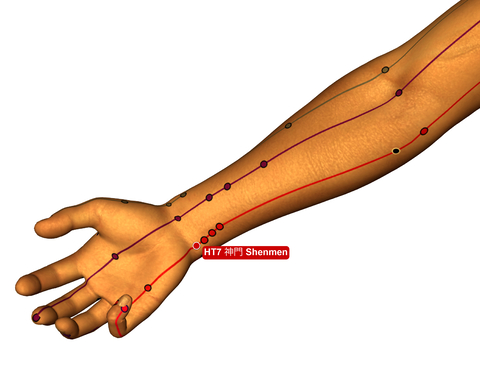
H7 (Heart channel 7)
- Location: palm side of the wrist, in the crease where your hand meets the wrist, at the little finger end of the crease.
- Effects: very good calming effect
- Helpful for: hot flashes and insomnia.
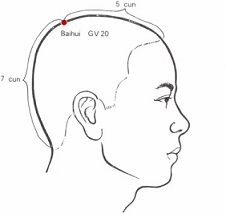
GV20 (Governing Vessel channel 20)
- Location: at the highest point of the skullcap, above the midpoint of the anterior hairline, at the midpoint of the line connecting ear tips.
- Effects: The Chinese name of the point (Bai Hui) means ‘meeting of a hundred’, suggesting that all the acupuncture channels meet here. Thus, this acupuncture point has a very powerful effect: it regulates the autonomic nervous system
- Helpful for: hot flashes, reduces heat, headaches and dizziness.
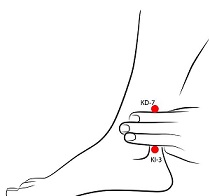
K3 (Kidney channel 3)
- Location: on the inside of your ankle, at the middle of the horizontal line connecting the tip of the inner ankle and the tendon of Achilles.
K7 (Kidney channel 7)
- Location: 3 fingerbreadths above K3 point.
Effects : support fluid balance
Helpful for: sweating and heat sensations
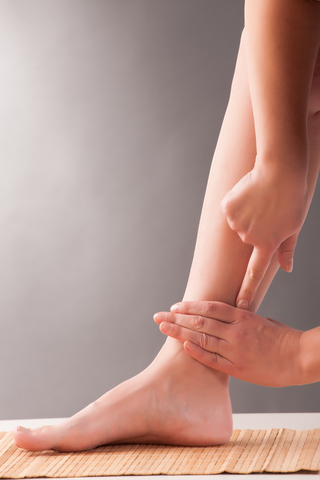
Sp6 (Spleen channel 6)
- Location: 4 fingerbreadths above the inner ankle, just at the edge of the shine bone.
- Effects: balances hormones
- Helpful for: hot flashes, night sweats, and sleep problems during menopause
Recommendation:
Use these points twice daily for 7–10 days.
“Fire-fighting” acupressure points for sudden hot flashes
Some hot flashes appear suddenly and feel intense, even overwhelming. In these moments, certain acupressure points can be used as a short-term “fire-fighting” strategy to help calm the body and reduce the immediate sensation of heat.
These points do not replace regular treatment, but they are especially useful at the onset of a hot flash or sudden sweating episode.
Apply steady, comfortable pressure to one or both points for 2–3 minutes, while breathing slowly and evenly. These points can be used whenever symptoms appear, even outside of regular acupressure sessions.
Key points for immediate support
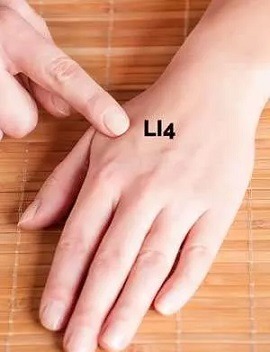
LI4 (Large Intestine channel 4)
- Location: on the back of the hand, at the highest point of the muscle when the thumb and index fingers are held together.
- Also helpful: if hot flashes are accompanied by headaches or a feeling of pressure.
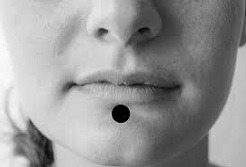
CV24 (Conception Vessel channel 24)
- Location: under the lower lip in the mid-line, in the depression (the mento-labial groove) between the point of the chin and the lower lip.
- Effect: calming, cooling
- It is easy to access and well suited for use in public or during daily activities.
A Powerful Support Point: ST36 (Divine Serenity)
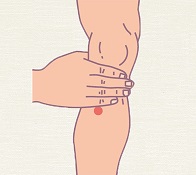
St36 (Stomach channel 36)
Location: 4 fingerbreadths down from the bottom of your knee and one finger breadth lateral from the edge of the shine bone. This point is also known in acupuncture literature as the ‘Divine Serenity’, referring to its spiritual, psychic stabilising effect.
Effect: strong stabilising and calming effect.
Especially helpful when hot flashes are accompanied by:
- anxiety
- nervous tension
- sleep disturbances
Recommendation:
- Apply medium pressure for 8 minutes
- once or twice daily
- on both sides at the same time or alternately.
Electro-acupuncture and soft laser acupuncture: what you should know
In addition to traditional needle acupuncture, acupuncture points can also be stimulated using electro-acupuncture or soft laser devices. These methods may be helpful in certain situations, but it is important to understand when self-treatment is appropriate and when professional care is essential.
Electro-acupuncture for self-care
Some low-intensity electro-acupuncture devices are designed for home use and may be suitable for carefully selected self-treatment, especially for symptom relief such as hot flashes or nervous tension.
However, self-treatment should always be approached with caution. If you are unsure, or if your symptoms are complex, it is best to seek guidance from a trained healthcare professional.
Soft laser acupuncture: professional use only
Soft laser acupuncture should only be performed by a qualified practitioner.
It can be a useful option for people who are afraid of needles or cannot tolerate needle acupuncture, but it still requires professional knowledge to ensure safety and correct application.
Laser acupuncture is not recommended for self-treatment, even though it is painless and non-invasive.
Important safety warnings
Electro-acupuncture and soft laser devices must NOT be used if you:
- have a pacemaker or an implanted cardioverter defibrillator (ICD)
- have an active cancer
- have epilepsy
- have an acute infection
They must also never be applied:
- over implanted metal devices
- over areas with thrombosis or thrombophlebitis (thrombotic blood vessel inflammation)
- on sensitive areas such as the eyes, eyelids, neck, or genitals
- over open wounds or damaged skin
Situations requiring extra caution
Avoid these methods, or use them only under professional supervision, if:
- the skin is inflamed or affected by conditions such as eczema, psoriasis, or acne
- there are new surgical scars
- the area has been treated with Botox or cosmetic fillers within the past 2–4 weeks
If you have any underlying medical condition or feel uncertain, consult a healthcare professional before starting any form of electro- or laser-based acupuncture.
Enhancing Results with Lifestyle Support
Acupuncture and acupressure work best when they are part of a broader, supportive approach. Acupuncture and acupressure can be part of a broader strategy for natural relief for hot flashes, especially when combined with lifestyle and nutritional support.
Daily habits play an important role in how often hot flashes occur and how intense they feel. Simple adjustments — such as regular movement, balanced meals, stress management, and adequate rest — may help stabilise the nervous system and reduce symptom sensitivity.
Many women also find that combining acupuncture-based methods with gentle practices like yoga, breathing exercises, meditation, or relaxation techniques further enhances their effects. These approaches support overall balance without placing additional strain on the body.
Rather than focusing on a single solution, an integrated lifestyle approach allows acupuncture and acupressure to work in harmony with the body’s natural regulatory systems, offering steady and sustainable support during menopause.
If you want to learn more about acupressure and its use in treating different symptoms, there are many acupressure books and online courses available.
FAQ – Acupuncture and Hot Flashes
How long does it take for acupuncture to work for hot flashes?
Many women notice improvement within a few sessions, although a short treatment course is usually recommended.
Can acupressure replace acupuncture?
Acupressure is helpful, but professional acupuncture tends to provide deeper and longer-lasting effects.
Is acupuncture safe during menopause?
Yes, when performed by a qualified practitioner and with proper screening.
Can acupuncture help with night sweats?
Yes. Night sweats are closely related to hot flashes and often respond well to acupuncture-based treatments.
