
Last Updated on 8 January 2026 by Ella Okos, MD
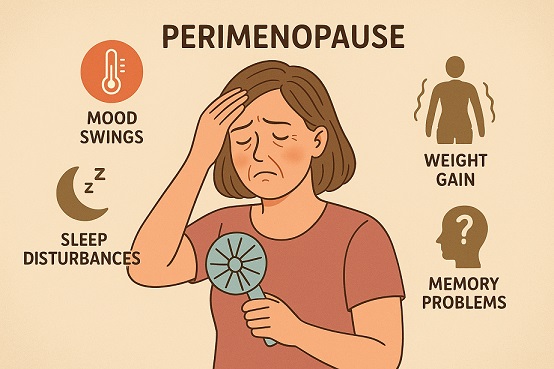
Menopause is often described as a single moment in time, but in reality, it’s a gradual transition. The early signs of menopause—also known as perimenopause—can begin years before periods stop completely.
Many women first notice subtle changes and wonder whether what they’re experiencing is normal, stress-related, or a sign of hormonal shifts. Understanding the early signs of menopause can bring reassurance, clarity, and practical ways to feel better during this stage of life.
This guide walks you through the first symptoms of menopause, explains why they happen, and shares what helps—naturally and medically—so you can navigate perimenopause with confidence.
What Are the Early Signs of Menopause?
Early menopause symptoms can feel confusing at first, especially when cycles are still regular. Understanding the three stages of menopause helps put these early changes into context and explains how symptoms may evolve over time.
Common early menopause symptoms include:
- changes in the menstrual cycle,
- hot flashes and night sweats,
- sleep disturbances,
- mood shifts and changes in energy levels,
- memory changes
- vaginal, bladder issues
- digestive and metabolic changes
While these symptoms are common, every woman’s experience is unique.
Changes in Your Menstrual Cycle
One of the first and most noticeable signs of perimenopause is a change in your menstrual cycle. Periods may become irregular, arrive earlier or later than expected, or vary in flow. Some months may be skipped entirely.
These changes are usually a normal response to fluctuating hormone levels, even though they can feel unsettling.
WHAT HELPS?
- Track your cycle using a journal or app
- Prioritize sleep and stress reduction
- See a doctor if bleeding becomes very heavy or painful
Hot Flashes and Night Sweats
Hot flashes are among the most well-known early signs of menopause. They often appear suddenly as intense heat, flushing, and sweating. When they occur at night, they are known as night sweats and can significantly disrupt sleep.
WHAT HELPS?
- Dress in layers and keep your bedroom cool
- Reduce caffeine, alcohol, and spicy foods
- Explore natural relief for hot flashes, including lifestyle and complementary approaches
Sleep Changes During Perimenopause
Many women experience sleep changes during perimenopause, even without night sweats. Hormonal fluctuations can interfere with the body’s natural sleep–wake rhythm, making it harder to fall asleep or stay asleep. As a result, ongoing sleep issues during menopause can affect mood, energy levels, and overall quality of life.
WHAT HELPS?
- Establish a calming bedtime routine
- Limit screen time before bed
- If sleep disturbances persist, exploring natural strategies for better sleep during menopause can help restore more restful nights
Mood, Energy, and Emotional Changes
Mood swings, anxiety, irritability, and low energy are common first signs of menopause. These changes are not a personal failing—they are linked to estrogen’s influence on brain chemistry and stress regulation.
WHAT HELPS?
- Regular physical activity and time outdoors
- Emotional support and open conversations
- Understanding hormonal changes during menopause
Memory Changes and Brain Fog
Some women notice forgetfulness, difficulty concentrating, or mental fatigue during perimenopause. Often referred to as “brain fog,” this symptom is common and usually temporary.
WHAT HELPS?
- Prioritize sleep quality
- Manage stress proactively
- Gentle cognitive stimulation such as journaling or puzzles
Vaginal, Bladder, and Intimate Changes
Lower estrogen levels can affect vaginal and urinary health, leading to dryness, discomfort during intimacy, or increased urinary urgency. These symptoms are common but should not be ignored.
WHAT HELPS?
- Vaginal moisturizers or lubricants
- Staying hydrated
- Medical guidance if symptoms persist
Digestive, Metabolic, and Body Changes
Hormonal shifts can slow metabolism and affect digestion. During perimenopause, many women notice bloating, reflux, irregular bowel movements, as well as weight changes, or increased fat storage around the belly .
WHAT HELPS?
- Balanced meals rich in fiber and protein
- Regular movement
- Sustainable lifestyle changes
When Should You See a Doctor?
Most early menopause symptoms are a normal part of hormonal transition. However, it’s important to seek medical advice if:
- Bleeding becomes very heavy or occurs after sex
- You experience chest discomfort or frequent palpitations
- Symptoms significantly interfere with daily life
Early medical guidance supports both safety and peace of mind.
What Can You Do to Manage Early Menopause Symptoms?
Early menopause symptoms can feel overwhelming at first, but many women find meaningful relief through a combination of lifestyle habits, medical support, and complementary approaches. The key is choosing options that are safe, evidence-informed, and suited to your individual needs.
Lifestyle Habits That Help
Small, consistent changes can make a noticeable difference during perimenopause:
-
Stay active: Walking, yoga, swimming, or gentle strength training support mood, energy, and sleep.
-
Eat well: Focus on whole grains, vegetables, fruits, lean proteins, and calcium-rich foods.
-
Limit caffeine and alcohol: Both may worsen hot flashes and disrupt sleep quality.
-
Manage stress: Meditation, deep breathing, journaling, or a warm evening bath can help calm the nervous system.
-
Stay social: Sharing experiences with friends going through similar changes provides emotional support and reassurance.
Conventional Medical Treatments
Some women benefit from medical treatments, particularly when symptoms significantly affect daily life:
- Hormone Replacement Therapy (HRT): Can effectively reduce hot flashes, sleep problems, and mood symptoms but requires medical evaluation and ongoing supervision.
- Non-hormonal medications: Certain antidepressants or sleep aids may help specific symptoms.
- Cognitive Behavioral Therapy (CBT): Well-supported by research for managing anxiety, depression, and insomnia during menopause.
Always discuss medical treatments with your healthcare provider to find the safest and most appropriate option for you.
Complementary and Integrative Approaches
Many women explore complementary options alongside lifestyle changes or medical care. Evidence varies, and professional guidance is recommended:
-
Dietary supplements: Vitamin D, omega-3 fatty acids, or phytoestrogens may help some women, though results differ.
-
Herbal treatments: Commonly used but not consistently regulated for safety or effectiveness.
-
Aromatherapy: Scents such as lavender may promote relaxation and better sleep.
-
Acupuncture and acupressure: Some women report reduced hot flashes and improved mood, though research findings are mixed.
-
Reflexology: Foot or hand pressure techniques may reduce stress and tension.
-
Homeopathy: Individualized remedies are used by some women, although scientific evidence remains limited.
-
Hypnotherapy: May help reduce hot flashes and improve sleep quality.
-
Mindfulness meditation: Supports emotional balance, stress reduction, and resilience.
-
Yoga: Enhances flexibility, relaxation, and sleep quality.
-
Ayurveda: A holistic system using herbs, massage, and lifestyle practices to restore balance.
-
Tai Chi and Qigong: Gentle movement practices that support balance, calmness, and energy.
Frequently Asked Questions About Early Signs of Menopause
What are the very first signs of menopause?
Irregular periods, hot flashes, sleep changes, and mood shifts are often the earliest signs. Addressing sleep issues early can support emotional balance and promote more restful sleep.
At what age do menopause symptoms start?
Perimenopause commonly begins in the early to mid-40s, but timing varies.
Can menopause cause anxiety or depression?
Yes. Hormonal changes can affect mood and emotional well-being. Support and treatment options are available.
Is weight gain a sign of menopause?
Hormonal changes can slow metabolism, but lifestyle habits play a major role in weight management.
What helps menopause symptoms naturally?
Sleep support, stress reduction, balanced nutrition, and movement are foundational. Some women also benefit from complementary approaches with medical guidance.
The Takeaway: Understanding the Early Signs of Menopause
The early signs of menopause are not something to fear—they are signals that your body is changing. With awareness, supportive habits, and the right information, perimenopause can become a manageable and even empowering phase of life.
You’re not alone, and support is available every step of the way.
