
Last Updated on 13 June 2026 by Ella Okos, MD
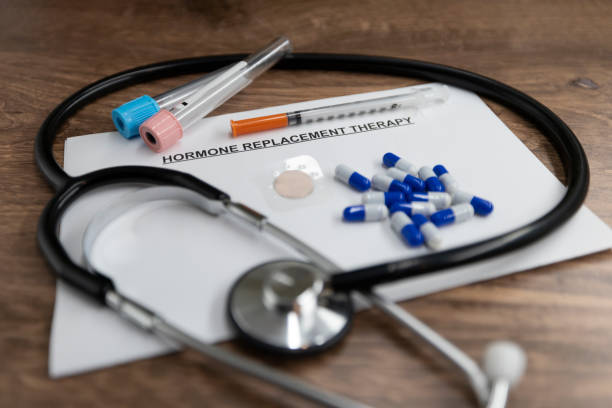
Hormone Replacement Therapy (HRT) is a treatment used to replace hormones that your body stops making or produces in lower amounts due to menopause.
Why is it used?
As women reach menopause, levels of hormones like estrogen and progesterone (and sometimes testosterone) naturally drop. This can cause symptoms (link to symptoms of menopause) such as:
- Hot flashes
- Night sweats
- Mood swings
- Vaginal dryness
- Sleep problems
- Loss of bone density (osteoporosis)
HRT helps to balance these hormone levels, easing symptoms and reducing certain health risks.
Types of Hormone Replacement Therapy (HRT)
Each type differs by:
1) The hormones it contains (estrogen, progestogen, or sometimes testosterone)
2) The way you take or apply it
- ORAL – taken by mouth (pill)
- TOPICAL (TRANSDERMAL) – applied on your skin (patch, gel, cream, spray)
- VAGINAL – put inside your vagina (cream, gel, vaginal tablet, pessary or ring
- INTRAUTERNE devices
3) The timing (you may take it daily or in cycles)
1) What Hormones Are in HRT?
HRT replaces estrogen and progesterone.
Some doctors also prescribe testosterone, but only if needed. It is not officially licensed for menopause treatment but may help with symptoms like low sex drive.
Estrogen-Only HRT
- If you’ve had your womb removed, you can take estrogen-only HRT.
Combined HRT
- If you still have your womb, you need combined HRT (estrogen + progesterone). Taking both helps prevent womb cancer.
2) Different Forms of HRT
HRT comes in different forms. You may need to try more than one to find what suits you best.
ORAL
Pills (oral tablets)
Oral tablets are one of the most common ways to take HRT. You usually take them once a day. There are both estrogen-only and combined HRT tablets available.
Advantages:
Taking a tablet once a day is simple and easy.
Disadvantages:
Tablets can slightly increase the risk of blood clots, especially compared to patches or gels. However, the overall risk is still low.
TOPICAL
Patches
You stick them on your skin, usually on the lower part of your body (lower abdomen, upper thigh, upper buttocks). The patch slowly releases hormones into your bloodstream. You change the patch every few days, depending on the brand.
Advantages:
Patches are a good option if you have trouble swallowing pills or forget to take them. They don’t increase the risk of blood clots as much as tablets.
Disadvantages:
Sometimes patches don’t stick well, especially if you moisturize your skin. They may also cause redness or irritation.
Gels or creams
Estrogen gel/cream is applied directly to your skin (upper arms, thighs, stomach, buttocks) once a day. The hormones are absorbed gradually.
Advantages:
Like patches, the gel/cream is a good choice if you have trouble with tablets. It doesn’t increase the risk of blood clots.
Disadvantages:
The gel can take 5 minutes or more to dry. Creams might take even longer. This means you’ll need to wait before doing anything else. Creams also may cause a greasy feeling on the skin.
Spray
Estrogen-only HRT also comes as a spray. You use it once a day, spraying it onto your inner arm or thigh and rubbing it into the skin.
Advantages:
The spray is a good alternative if you can’t take tablets. It doesn’t raise the risk of blood clots.
Disadvantages:
You need to wait an hour after spraying before taking a bath or shower. However, you can get dressed just 2 minutes after use.
VAGINAL
Creams, gels, tablets, pessaries or rings
They have a low-dose estrogen content and help with symptoms like vaginal dryness, burning sensations, or pain during sex.
Advantages:
Vaginal estrogen does not carry the usual risks of HRT, such as breast cancer. You can use it even if you still have a womb.
Disadvantages:
This type of HRT doesn’t help with other menopause symptoms like hot flashes or sleep problems.
INTRAUTERINE
Hormone releasing Intrauterine System (IUS)
For women who need both estrogen and progesterone, the Mirena coil can provide the progesterone. This device is inserted into the womb and slowly releases levonorgestrel (a type of progesterone).
Advantages:
The Mirena coil can last up to 5 years and also acts as contraception. It’s a good option if you don’t want to take medicine daily.
Disadvantages:
The coil can sometimes cause abdominal pain and bleeding.
Testosterone in HRT
Testosterone gel
Like oestrogen and progestogen, the menopause also causes levels of the sex hormone testosterone to fall, although this happens more gradually. This can make you feel tired, affect your mood and cause a low sex drive (libido). It can also affect bone health.
Testosterone is not currently licensed to treat symptoms of menopause, but a specialist doctor may be able to prescribe it for you.
Advantages:
Testosterone can help with low sex drive and tiredness.
Disadvantages:
Testosterone can cause acne, unwanted hair growth, and weight gain. It can also cause side effects in others who come into contact with it. Be sure to wash your hands and cover the treated area.
SPECIAL COMBINED THERAPY
Tibolone
Tibolone (brand name Livial) is a prescription medicine that contains a synthetic (artificial) hormone. Your body breaks down tibolone to make substances that work in a similar way to the hormones oestrogen, progesterone and testosterone. It comes as a tablet taken once a day.
Advantages:
Tibolone can help with symptoms like hot flashes and low mood.
Disadvantages:
Some studies show it may not be as effective as combined HRT.
3) HRT Treatment Routines
How you take HRT depends on several things, such as whether you’ve had a hysterectomy, are still having periods, or are post-menopausal.
Estrogen-only HRT taken daily
- If you’ve had a hysterectomy and take estrogen-only HRT, you’ll take it every day.
If you need both estrogen and progesterone, your routine will depend on your stage of menopause.
Sequential Combined (Cyclical) HRT
- Recommended if you have menopause symptoms but still have periods.
There are 2 types:
- Monthly HRT: Take estrogen every day, and progestogen for the last 10 to 14 days of your cycle.
- 3-Monthly HRT: Take estrogen every day, and progestogen for 10 to 14 days every 3 months.
You should have a period at the end of each cycle. If there’s no bleeding, talk to your doctor.
Continuous Combined HRT
Prescribed after menopause (no period for 1 year). This involves taking both estrogen and progestogen every day, with no breaks.
Who Should Consider HRT?
Hormone Replacement Therapy (HRT) can help women with menopausal symptoms. However, it’s not the right choice for everyone. Here’s who might benefit from HRT:
- Women with Moderate to Severe Menopausal Symptoms
If hot flashes, night sweats, mood swings, or sleep problems are affecting your daily life, HRT could help. It’s particularly useful when other treatments (like lifestyle changes or non-hormonal treatments) don’t work well.
- Women in Early Menopause (Perimenopause)
If you’re transitioning to menopause and still have irregular periods, HRT can ease symptoms like hot flashes and mood swings. Starting HRT before age 60 or within 10 years of menopause may also help prevent bone loss and heart disease.
- Women Who Have Had a Hysterectomy
If your uterus was removed, you may only need estrogen (estrogen-only HRT). You won’t need progestogen since there is no uterus to protect from cancer risk.
- Women with Low Bone Density or Osteoporosis
HRT helps maintain bone density, reducing the risk of osteoporosis after menopause. If you already have low bone density or osteoporosis, HRT may help lower the risk of fractures.
Who Should Not Take HRT?
Hormone Replacement Therapy (HRT) is not right for everyone. Certain health conditions and risks make it too risky. Here’s who should avoid HRT:
- Women with a History of Breast Cancer
HRT may raise the risk of breast cancer returning, especially for hormone-receptor-positive types.
- Women with a History of Endometrial Cancer
If you’ve had endometrial (womb) cancer, avoid estrogen-only HRT. Estrogen can increase the risk of uterine cancer.
- Women with Active Liver Disease
If you have liver disease, such as cirrhosis or active hepatitis, HRT may not be safe , as your liver is responsible for processing hormones.
- Women with Unexplained Vaginal Bleeding
If you have unusual vaginal bleeding, see a doctor before starting HRT. Bleeding could be a sign of a serious condition.
- Women with a History of Blood Clots or Stroke
HRT, especially in pill form, raises the risk of blood clots and stroke. If you’ve had these issues before, HRT might not be safe.
How Long Should HRT Be Used?
The duration of Hormone Replacement Therapy (HRT) depends on your symptoms, health risks, and type of therapy. Here are some guidelines:
- Short-Term Use (2 to 5 years)
HRT is often used for 2 to 5 years to relieve symptoms like hot flashes and mood swings. This period reduces the risk of long-term side effects.
- Longer-Term Use
Some women need HRT longer, especially if symptoms continue or they have bone loss. If you start HRT early, it may be safe to use it longer. However, regular check-ups are essential. 3. Post-Menopausal Considerations
For post-menopausal women, HRT should be used at the lowest dose and for the shortest time. If used for bone health, long-term use is possible but should be monitored for risks like heart disease.
- Regular Check-Ups
It’s important to see your doctor regularly while using HRT. Your doctor will review if HRT is still needed and reassess any health risks.
CONCLUSION
HRT can effectively relieve menopausal symptoms and help with bone health. However, it has risks, including cancer and heart disease. Non-scientific views, based on personal experiences and media stories, often highlight these risks, leading some women to seek alternatives. (see article on this topic -link to “The Current Prevailing Scientific and Non-Scientific Opinion on the Benefits and Risks of Hormone Replacement Therapy (HRT)”)
Ultimately, the decision to use HRT is highly individualized and should be made in consultation with a physician, considering both the scientific evidence and personal preferences. Talk to your doctor to weigh the benefits and risks. Your doctor will help determine how long to use HRT based on your health and needs.
