
Last Updated on 27 December 2025 by Ella Okos, MD
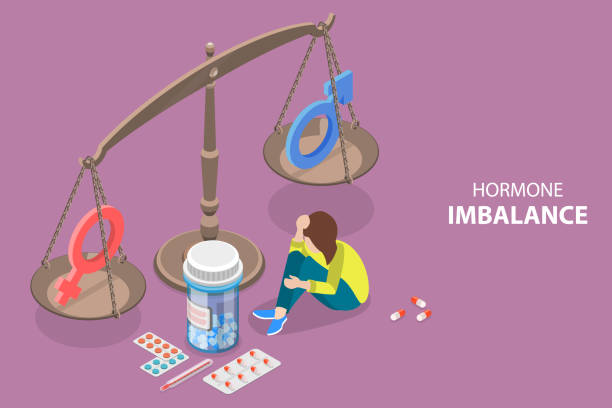
Perimenopause hormonal changes can make your body feel confusing and unpredictable. One month everything feels manageable, while the next brings mood swings, poor sleep, or sudden hot flashes. If you’ve ever wondered why your body seems to change without warning, you are not alone — and you are not imagining it.
Perimenopause is a natural transition, not a problem to fix. During this phase, hormones fluctuate rather than decline steadily, which explains why symptoms can feel like a rollercoaster. Understanding what is happening inside your body is the first step toward feeling calmer, more supported, and more in control.
What Is Perimenopause?
Perimenopause is the transition period leading up to menopause. It often begins in a woman’s 40s, although for some it can start in the late 30s. This phase can last anywhere from a few years to over a decade.
During perimenopause, the ovaries do not simply slow down evenly. Instead, hormone production becomes irregular. As a result, estrogen, progesterone, and testosterone levels rise and fall in unpredictable patterns, creating many of the symptoms women experience.
Why Perimenopause Hormonal Changes Feel So Intense
Hormones act as messengers throughout the body. When their levels fluctuate, multiple systems are affected at once. That is why perimenopause symptoms often involve sleep, mood, energy, weight, and emotional resilience — not just the menstrual cycle.
Estrogen Fluctuations During Perimenopause
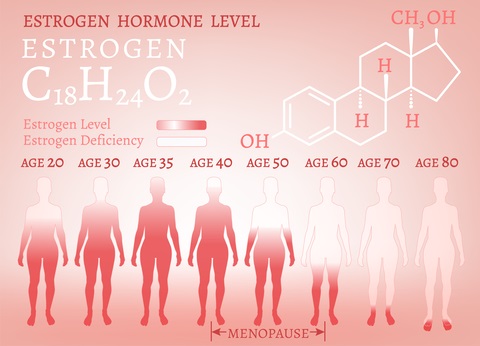
At the beginning of perimenopause, estrogen levels often spike and drop rather than decline smoothly. Over time, overall estrogen levels decrease, but the irregular swings can be challenging.
Common effects include:
-
Irregular periods: Cycles may become shorter, longer, heavier, or lighter
-
Hot flashes and night sweats: Sudden temperature changes linked to estrogen shifts
-
Mood changes: Estrogen influences serotonin, which affects mood and emotional balance
Because estrogen affects so many body systems, even small fluctuations can feel overwhelming.
Progesterone Decline and Its Effects
Progesterone is often the first hormone to decline during perimenopause. Since it plays a calming and stabilizing role, lower levels can have noticeable effects.
You may experience:
-
More unpredictable cycles: Progesterone helps stabilize the uterine lining
-
Sleep problems: Lower levels can make it harder to fall or stay asleep
-
Increased anxiety: Many women feel more tense or emotionally sensitive
Fluctuating estrogen and progesterone levels don’t only affect mood — they also explain why menopause affects sleep for so many women.

Testosterone Changes in Perimenopause
Although often overlooked, testosterone is important for muscle strength, metabolism, and sexual desire. During perimenopause, testosterone levels may gradually decline.
This can lead to:
-
Lower libido
-
Loss of muscle tone
-
Changes in fat distribution, especially around the abdomen
These shifts are common and do not reflect a lack of effort or discipline.
FSH and LH: The Brain’s Response to Hormonal Changes
As estrogen and progesterone become less predictable, the brain releases more follicle-stimulating hormone (FSH) and luteinizing hormone (LH) to encourage ovulation.
However, higher levels of FSH and LH do not always result in regular ovulation. This mismatch often contributes to:
-
Irregular cycles
-
Hot flashes
-
Sudden hormonal shifts
Adrenal Hormones and Stress Sensitivity
During perimenopause, the adrenal glands may try to compensate for declining estrogen. At the same time, they produce cortisol, the body’s main stress hormone.
As a result, many women notice:
-
Increased stress sensitivity
-
Easier exhaustion
-
Slower recovery after busy or emotional days
This is why chronic stress can intensify perimenopause symptoms.
Thyroid Hormones and Perimenopause
Thyroid function can also change during midlife. Even subtle thyroid imbalances may worsen perimenopause symptoms.
Possible signs include:
-
Weight gain despite unchanged habits
-
Fatigue and low motivation
-
Low mood or brain fog
Because symptoms often overlap, thyroid changes can be easily overlooked.
Symptoms of Perimenopause Hormonal Changes
KEY SYMPTOMS
- Irregular menstrual cycles
- Hot flashes and night sweats
- Sleep problems
- Mood swings and irritability
- Vaginal dryness and discomfort
- Reduced libido
- Memory and focus difficulties
- Weight gain and body shape changes

What Helps Support Hormonal Balance During Perimenopause?
While hormones cannot be fully controlled, lifestyle support can make symptoms more manageable. Gentle, consistent changes often work better than extreme solutions.
Helpful foundations include:
-
Balanced meals that stabilize blood sugar
-
Stress reduction where possible
-
Prioritizing sleep and recovery
-
Choosing supportive, not punishing, movement
Small steps, practiced consistently, can create meaningful relief over time.
FAQ – Perimenopause Hormonal Changes
How long do perimenopause hormonal changes last?
Perimenopause can last from 4 to 10 years. Hormonal fluctuations vary widely from woman to woman.
Are symptoms the same every month?
No. Hormones fluctuate unevenly, which explains why one month may feel manageable while the next feels more difficult.
Can lifestyle changes really help?
Yes. While they do not stop hormonal changes, supportive habits can reduce symptom intensity and improve overall well-being.
When should I seek professional support?
If symptoms significantly affect daily life, sleep, or mental health, professional guidance can be very helpful.
Conclusion
Perimenopause hormonal changes affect far more than your cycle. Estrogen, progesterone, testosterone, and stress hormones all shift during this transition, influencing sleep, mood, energy, and body composition.
This phase is not a breakdown. It is a transition that deserves understanding, patience, and support. With the right knowledge and gentle adjustments, the hormonal rollercoaster becomes far easier to navigate.
