
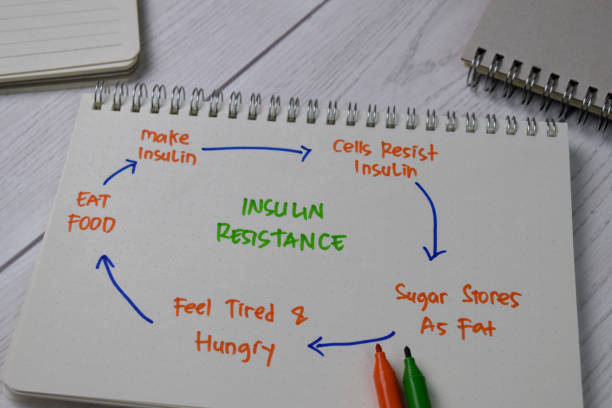
Last Updated on 26 June 2026 by Ella Okos, MD
In Part 1 of the Ultimate Natural Guide to Insulin Resistance – Herbs and Supplements, we covered key herbs and supplements to keep blood sugar balanced. Now, in Part 2, we dive into natural therapies that add an extra boost: acupuncture/acupressure and aromatherapy. These gentle strategies may help curb cravings, increase energy, and support your body’s insulin response—perfect for anyone looking to take a holistic approach to metabolic health by fighting insulin resistance.
FRIENDLY REMINDER: This guide is educational. Always check with your clinician, especially if you have a medical condition, or take medication, notably antidiabetic (glucose-lowering) medicines, blood thinners, SSRIs, or antibiotics.
3) Acupuncture & Acupressure
What acupuncture may do
- Modulate autonomic nervous system → lower cortisol/adrenaline.
- Enhance skeletal muscle glucose uptake.
- Improve sleep.
- Support digestion via vagal tone.
Course & cadence
- Foundation: 1×/week for 6–8 weeks.
- Then: taper to every 2–4 weeks for maintenance.
- Session: 30–45 minutes; expect deep relaxation.
Acupressure for insulin resistance
For general information on DIY acupressure click here.
The most often used acupuncture points:
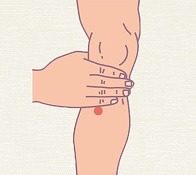
St36 (STOMACH CHANNEL 36) ACUPUNCTURE POINT
- Location: 4 fingerbreadths down from the bottom of your knee and one finger breadth lateral from the edge of the shine bone.
- Effects: metabolism, digestion, energy.
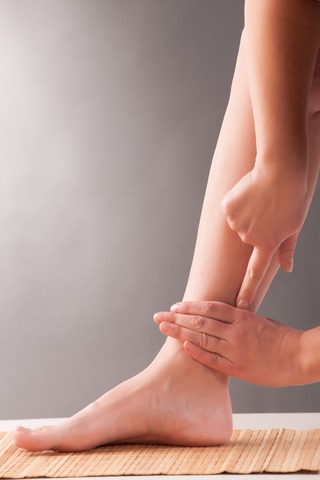
Sp6 (SPLEEN CHANNEL 6) ACUPUNCTURE POINT
- Location: 4 fingerbreadths above the inner ankle, just at the edge of the shine bone.
- Effects: hormonal & glycaemic balance.
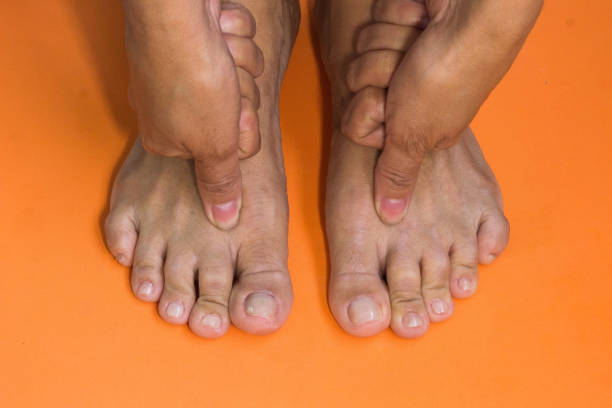
Lv 3 (LIVER CHANNEL 3) ACUPUNCTURE POINT
- Location: on the top of the foot, in the depression between the big toe and second toe
- Effects: stress/decongestion.
LI 11 (LARGE INTESTINE CHANNEL 11) ACUPUNCTURE POINT
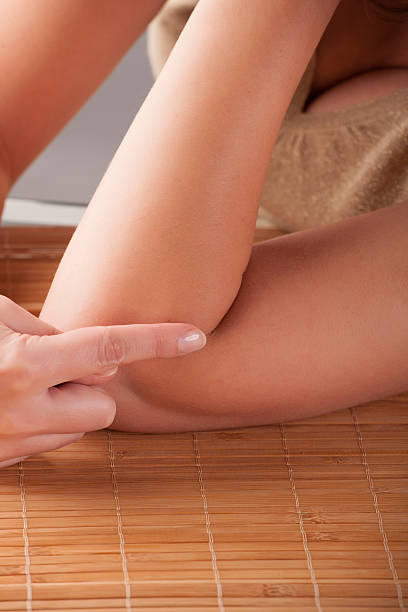
- Location: at the end of the crease on the outer side of your bent elbow.
- Effects: heat/inflammation modulation.
CV12 (CONCEPTION VESSEL CHANNEL 12) ACUPUNCTURE POINT
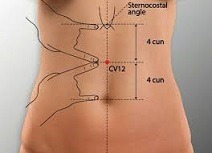
- Location: on the anterior midline of the abdomen, about 4 fingerbreadths above the navel.
- Effects: stomach/sugar handling.
PC6 (PERICARDIUM CHANNEL 6) ACUPUNCTURE POINT
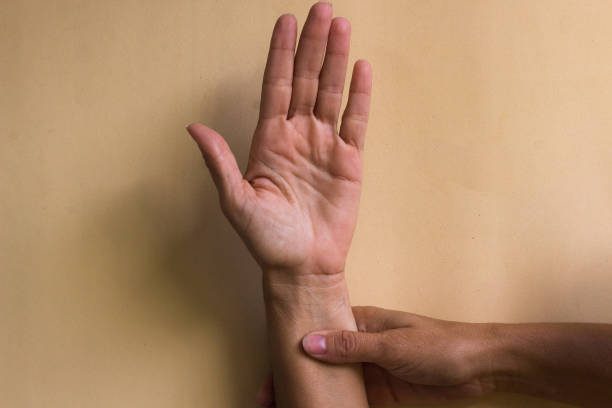
- Location: 3 fingerbreadths from the middle point of the wrist crease, inner forearm
- Effect: for cravings/stress.
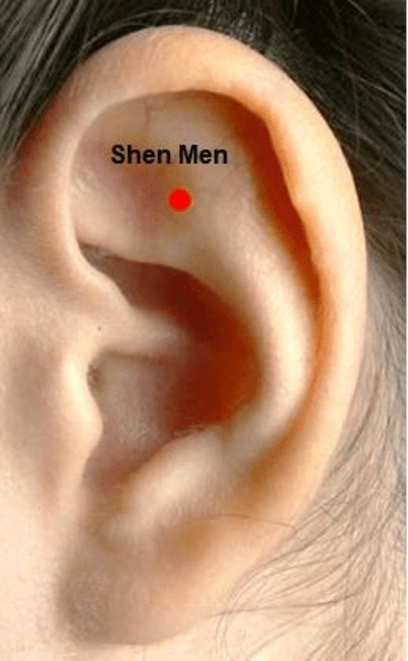
EAR SHEN MEN
Location: the upper middle part of your ear, in a little hollow area above the main ridge. It’s one of the most used points in ear acupuncture.
Effects: it is one of the most used points in ear acupuncture to help with:
Stress and anxiety – helps you relax and feel more centred.
- Pain relief – may ease headaches, muscle tension, or general pain.
- Better sleep – can help you fall asleep more easily.
- Addiction support – used in treatments to reduce cravings (like for smoking or alcohol).
- Overall balance – supports the body’s natural healing and energy flow.
NOTE: Many people get a Shen Men piercing hoping it will help with stress, anxiety, hot flashes or migraines. Some say it helps, though there isn’t strong scientific proof yet. If you choose to get it pierced, make sure it’s done by a professional who knows how to pierce safely, since it’s through cartilage.
4) Aromatherapy
Why it helps : Aromatherapy works by sending scents quickly to the limbic system, the part of your brain that controls emotions, cravings, stress, and sleep. By gently calming stress, improving mood, and supporting better sleep, essential oils can indirectly support insulin sensitivity and help keep blood sugar more stable.
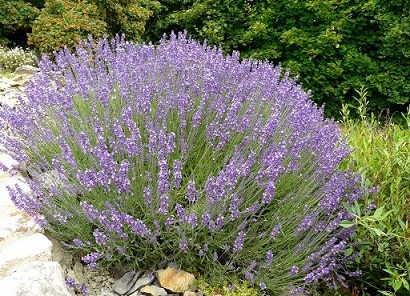
Lavender (Lavandula angustifolia)
Promotes restful sleep, eases anxiety, and can improve heart rate variability (HRV), which helps your body handle stress.
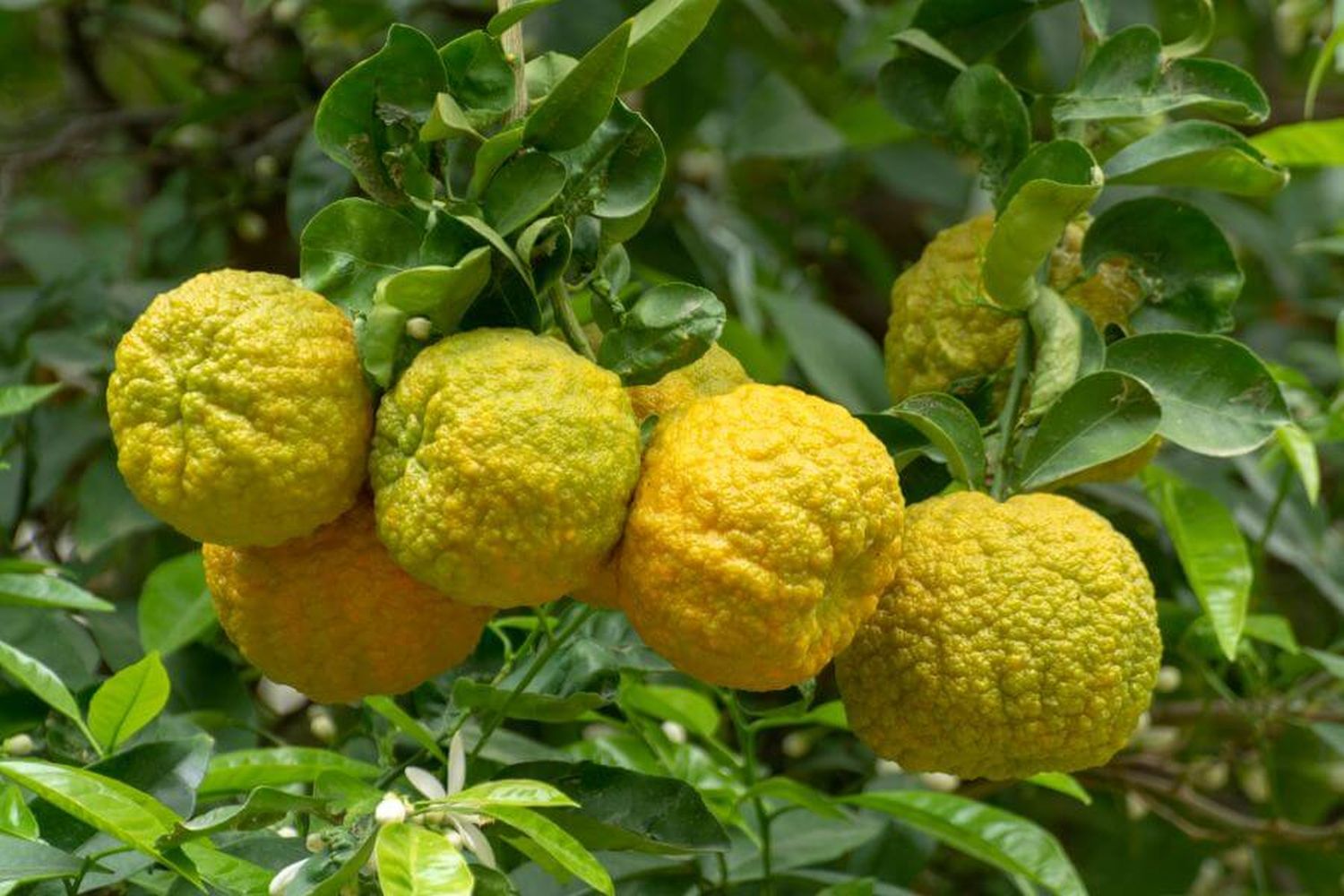
Bergamot orange (Citrus bergamia)
Uplifts mood and may reduce emotional eating, especially during stressful moments.
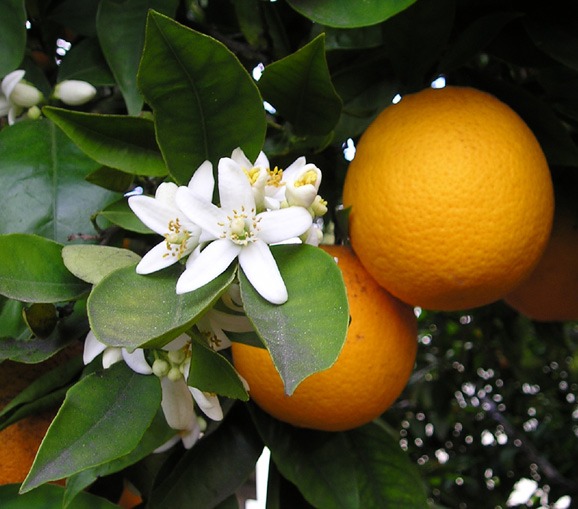
Sweet Orange (Citrus sinensis)
Creates a calm, optimistic feeling and helps counter the afternoon slump.
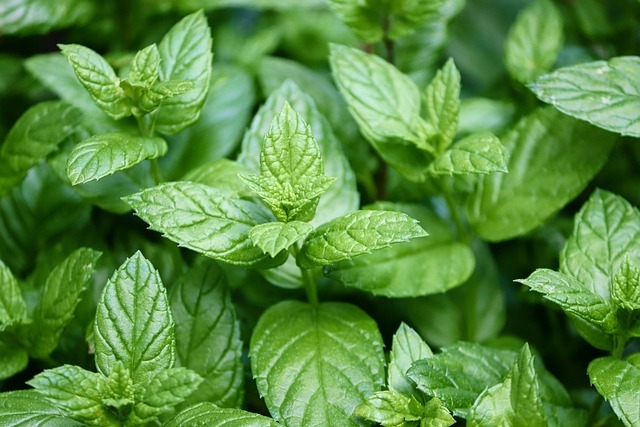
Peppermint (Mentha piperita)
Boosts alertness and may help you feel less hungry or reduce cravings.
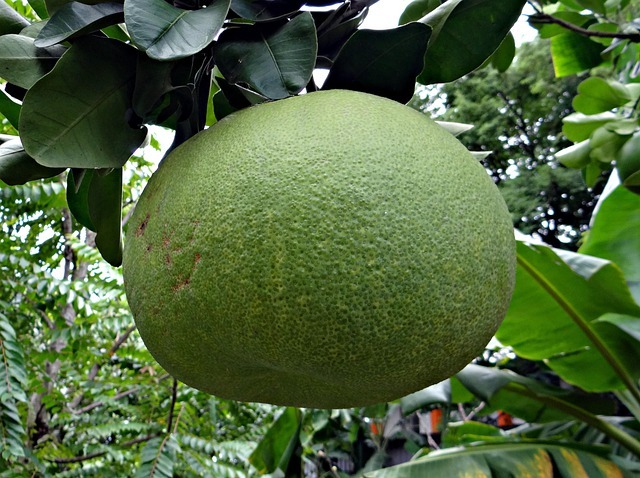
Grapefruit (Citrus paradisi)
Energizing and refreshing; pairs well with movement or light exercise.
Safe Dilution Guide
- Body oil: Use 1–2% dilution (about 6–12 drops per 30 ml of carrier oil) for everyday massage.
- Spot pulse-point roll-on: Apply 3–5% for short-term support on wrists, neck, or temples.
- Bath: Mix 3–6 drops in 1 tablespoon of milk or carrier oil before adding to warm water.
- Diffuser: Add 3–6 drops per session for 15–30 minutes to scent your room.
Recommended Blends
- Evening Calm (sleep & cravings): 3 drops lavender + 2 drops sweet orange in a diffuser before bed.
- Craving Reset (afternoon boost): 2 peppermint + 2 bergamot + 1 grapefruit on an aroma stick; inhale slowly for 5 deep breaths.
- Wind-down Body Oil (post-dinner relaxation): 6 drops lavender + 3 drops bergamot in 30 ml jojoba oil; massage on upper back or neck.
Cautions & Tips
- Some citrus oils like bergamot and grapefruit can cause photosensitivity; avoid sun-exposed skin after applying.
- If you have epilepsy, avoid oils high in 1,8-cineole (e.g., rosemary, eucalyptus).
- Asthma or respiratory sensitivities? Diffuse briefly and observe your reaction.
- Always patch-test new oils before applying widely.
As you explore these gentle therapies, you’ll likely notice how acupuncture, acupressure, and aromatherapy each support different layers of metabolic balance—from cravings and stress to energy and sleep. In Part 3 of our series, we’ll continue building on this holistic approach by turning to homeopathy, a system many people use to support insulin responsiveness, cravings, digestion, and overall vitality. We’ll break down the most commonly used remedies, explain how practitioners pair them, and help you understand how these combinations fit into a broader natural strategy. If you’re curious about the next step in this holistic journey, you’ll want to stay tuned.
